

There’s a certain kind of outdoor space that makes you slow down the second you step into it. The air feels softer, the textures feel richer, and even the light looks warmer.
That feeling is exactly what people mean when they talk about decadgarden. It’s not about showing off. It’s about creating a small “yes” in the middle of a busy week—an outdoor corner that feels generous, layered, and alive.
If you’ve been scrolling garden inspiration and thinking, “I want that, but I don’t know where to start,” you’re in the right place.
This guide breaks down what the style is, why it’s catching on, and how to build it step by step—even if you’re working with a balcony, a rented yard, or a tight budget.
What decadgarden means
“Decadent” can mean appealing to self-indulgence or luxury, and it can also describe decline depending on context.
In garden terms, the “luxury” meaning is the one people borrow: lush, abundant, sensory, and intentionally extra—without becoming chaotic.
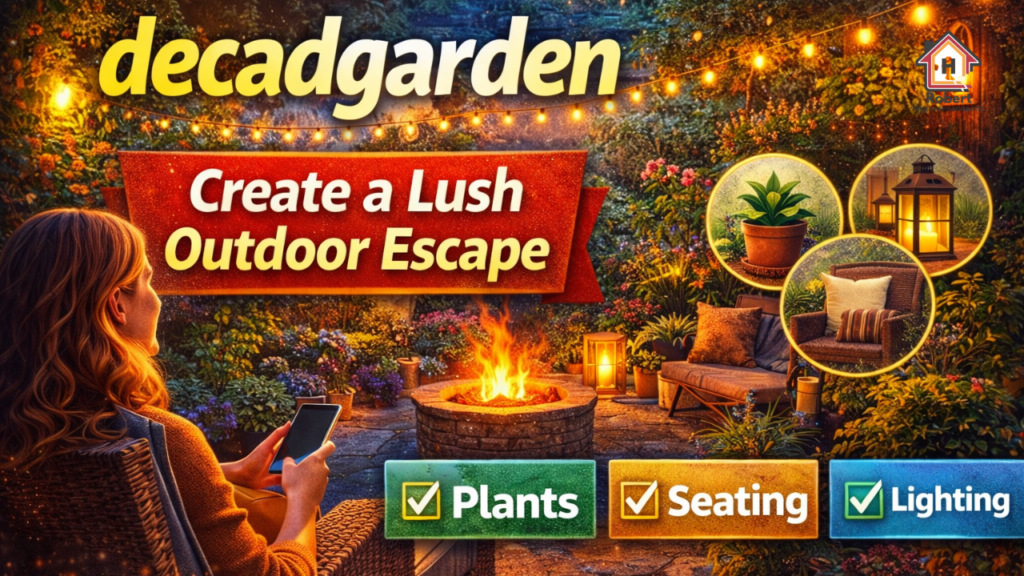
A simple definition: <strong>decadgarden</strong> is a garden or yard setup designed to feel like an escape, using layered greenery, cozy seating, atmospheric lighting, and small details that make the space feel cared for.
That said, you’ll also see the term used online as a brand name. One example is DecadGarden, a site that publishes home tips, garden hacks, and yard decoration guides.
People searching the keyword often want both: the “style” and the “idea hub.”
The emotional goal behind the look
Most garden advice focuses on plants first. This approach starts with a feeling.
Ask yourself: when you step outside, what do you want your body to do?
- Exhale
- Sit down
- Stay longer than planned
- Invite someone over
- Notice the season
When a space triggers those responses, it’s doing its job.
The practical goal behind the look
A beautiful yard that’s miserable to maintain will eventually make you resent it.
So the second goal is functionality: the layout should support your real life—pets, kids, weather, privacy, and your actual free time.
Why this style is getting popular
Part of the appeal is cultural. Online life is loud. Many people are trying to build “quiet luxuries” in their daily routine—small comforts that don’t require a vacation.
Gardening and time around plants are also linked with mental well-being in research. A 2024 umbrella review of 40 studies found an overall positive impact of gardening/horticultural therapy on well-being, with a significant positive effect in meta-analysis.
Another reason is the shift toward outdoor living. Zillow research has shown that certain outdoor features can be associated with higher sale premiums in some markets, and industry reporting highlights the popularity of outdoor upgrades.
On the practical side, U.S. remodeling and improvement spending moves with housing cycles, and NAHB notes that improvement spending (remodeling) can show meaningful month-to-month changes in construction spending data.
It works at any scale
This style isn’t “big yard only.” A balcony can feel decadent. A small patio can feel decadent. A narrow side yard can feel decadent.
It’s more about layering and intention than square footage.
It fits the way people decorate indoors now
Modern interiors often focus on texture, warmth, and lived-in comfort.
Outdoor spaces are catching up: woven surfaces, soft lighting, mixed materials, and a “room-like” layout outdoors.
The core elements of a decadent outdoor space
Think of this like a recipe. You don’t need every ingredient, but the more you combine, the more the space “clicks.”
1) Layered green structure
Layering means using height and depth:
- Tall: small trees, bamboo screens, trellised climbers
- Medium: shrubs, large pots, ornamental grasses
- Low: groundcovers, herbs, edging plants
Layering makes even a simple plant list look intentional.
2) A place to sit that feels inviting
If you only add one thing, add seating.
A single chair with a cushion can change how often you use the space.
Better still: define a small zone—two chairs facing each other, or a bench against greenery.
3) Mood lighting
Lighting is the shortcut to “wow.”
String lights, lanterns, solar path lights, and a few uplights can turn an ordinary yard into a night-time retreat.
4) Texture and scent
This is where people feel the difference:
- Rough + smooth: stone + soft cushions
- Matte + glossy: terracotta + glazed ceramic
- Scent: jasmine, rosemary, mint, basil, lavender (depending on your climate)
5) One focal point
A focal point stops the eye from wandering and makes the space feel designed.
Examples:
- A fire bowl
- A small fountain
- A sculptural pot
- A statement plant (olive, citrus, large fern)
- A vertical garden wall
6) Small “human” details
This is the secret sauce:
- A tray for tea
- A hook for a hat
- A basket for garden gloves
- A throw blanket in a weatherproof box
Details like this make the space feel lived in, not staged.
How to build your garden step by step
This section is your roadmap. If you follow it in order, you’ll avoid the most common beginner mistakes: buying random décor before you understand your light, soil, and layout.
Step 1: Observe your sun and shade
Walk your space in the morning, midday, and late afternoon.
Note:
- Hot spots that bake
- Shady corners that stay damp
- Windy edges
- Areas that get splashed by sprinklers or rain runoff
Your plant success depends on this more than anything.
Step 2: Decide the “main use”
Pick the main purpose:
- Morning coffee corner
- Family hangout
- Dinner outdoors
- Quiet reading spot
- Kitchen garden and herbs
- Play zone plus a grown-up retreat
Your purpose determines furniture size, pathway placement, and plant choices.
Step 3: Create simple zones
Even tiny spaces need zones. A zone can be as small as “chair + side table + plant pot.”
For larger yards, common zones include:
- Seating zone
- Dining zone
- Planting zone
- Walkway
Zoning is also a core recommendation in yard decoration guides that focus on organizing outdoor areas before decorating.
Step 4: Start with structure before décor
Structure includes:
- Edging
- Pots
- Trellis
- Raised beds
- Privacy screens
- Pathways
Once structure is set, décor naturally looks better because it has a “home.”
Step 5: Plant in layers
Start with your tall layer first, then medium, then low.
If you plant everything at the same height, the garden can feel flat even if the plants are healthy.
Step 6: Add lighting and finishing touches
Add lighting last so you can see what needs emphasis.
Aim for:
- Warm ambient light in seating areas
- Practical light on paths
- A small highlight on a focal plant or feature
Soil, water, and containers: the hidden foundation
A space can look amazing on day one and fall apart by week three if the basics are wrong.
This is the unglamorous part that makes the “lush” look possible.
Soil health in plain language
Healthy soil holds moisture but drains well, has enough organic matter to feed roots, and stays loose enough for air.
If your garden struggles, it’s usually one of these issues:
- The soil is compacted (roots can’t breathe).
- The soil drains too slowly (roots rot).
- The soil drains too fast (plants dry out).
- Nutrients get washed away.
A simple upgrade that helps most gardens: - Add compost or aged manure to beds.
- Top with mulch to protect the surface and reduce watering.
Watering without guessing
People often overwater because it “feels caring,” then wonder why leaves turn yellow.
Try this instead:
- Stick your finger 2–3 cm into the soil.
- If it’s dry at that depth, water.
- If it’s damp, wait.
For pots, the rule is similar, but pots dry faster, especially in sun and wind.
If you can install drip irrigation or a soaker hose, it takes pressure off you and keeps watering more consistent.
Container choice matters more than people think
A plant in a tiny pot is like a person living in a closet.
It can survive, but it won’t thrive.
Use this quick guide:
| Plant type | Minimum pot size | Why it works |
|---|---|---|
| Herbs (basil, mint, parsley) | 20–25 cm | Keeps roots cooler and reduces daily watering |
| Medium flowering plants | 25–35 cm | Gives enough soil to hold moisture and nutrients |
| Shrubs and small trees | 40–60 cm | Prevents constant stress and stunted growth |
| Climbers on trellis | 30–45 cm | Supports stable growth and longer blooms |
| If drainage holes are blocked or missing, fix that first. A pretty pot without drainage is a slow plant killer. |
Plant choices for different climates and spaces
Plant lists should be realistic. A plant that thrives in Florida may struggle in dry heat, and a plant that loves full sun will sulk in heavy shade.
Use these as starting points and match them to your conditions.
For hot, sunny spaces
Look for drought-tolerant and heat-tough plants:
- Lavender (in suitable climates)
- Rosemary
- Bougainvillea (warm climates)
- Ornamental grasses
- Succulents and cacti (where appropriate)
Tips: - Mulch heavily to protect roots
- Use larger pots so soil doesn’t dry out in hours
- Group plants with similar water needs
For shady or part-shade spaces
Shade gardens can look magical because leaves and textures shine without harsh light.
Options include:
- Ferns
- Hostas (cooler climates)
- Peace lily (containers in protected areas)
- Philodendron-style foliage (containers, mild climates)
- Ivy and climbers for vertical walls
Tips: - Watch for overwatering
- Improve airflow to reduce fungal issues
- Use reflective light colors (light stone, pale pots)
For balconies and small patios
If you can’t dig, container gardening is your best friend.
Use:
- Tall pots for structure
- Hanging planters for vertical interest
- Narrow shelves for herbs
A strong container mix usually includes: - 1 tall plant
- 2 medium plants
- 3–5 small trailing or filler plants
For pollinators and wildlife
If you want your garden to feel alive, invite life into it.
The National Wildlife Federation highlighted findings from its National Gardening Survey, including that some adults are converting parts of their lawn to natural or wildflower landscapes.
Good choices (depending on your region):
- Native wildflowers
- Flowering herbs
- Milkweed (where appropriate)
- Flowering shrubs
If you’re not sure what’s native, local garden centers or extension services can help.
Décor, lighting, and layout tricks that elevate everything
Here’s where the space starts to feel “designed,” not just planted.
Décor that looks rich without being expensive
Affordable upgrades that look high-end:
- Matching pots in two sizes (instead of ten random pots)
- Outdoor cushions in one color family
- A simple outdoor rug
- A large tray on a side table
- Two lanterns of different heights
The trick is repetition. Repeated materials and colors make the space feel cohesive.
Lighting that flatters, not blinds
Avoid harsh white floodlights.
Instead:
- String lights for overhead glow
- Solar stakes for paths
- Lanterns for corners
- Small uplights for trees and walls
The “inside-out” layout rule
Arrange outdoor furniture the way you would inside:
- Put seating close enough for conversation
- Give people a place to set a drink
- Create a clear walkway so nobody trips over pots
Water features: tiny is enough
A small fountain or tabletop water feature can create instant calm.
If you don’t want maintenance, consider:
- A simple bubbling bowl
- A birdbath with a small solar bubbler
Maintenance without burnout
A lush space is supposed to relax you, not become a second job.
Build a low-maintenance baseline
Do these early and you’ll thank yourself later:
- Add mulch to reduce weeds and water loss
- Use drip irrigation or soaker hoses where possible
- Choose plants that match your climate
- Group plants by water needs
A realistic weekly routine
- 10 minutes: quick check for pests and drooping leaves
- 10 minutes: deadhead flowers, trim messy growth
- 10 minutes: water as needed (or check irrigation)
If you only have energy once a week, focus on watering and removing dead growth.
The “perfect garden” isn’t the goal. The usable garden is.
A seasonal checklist you can actually follow
Instead of random chores, use seasons as your rhythm:
| Season | Focus | Quick wins |
|---|---|---|
| Spring | Growth and setup | Compost top-up, refresh mulch, prune winter damage |
| Summer | Water and shade | Deep water early morning, add shade cloth if needed |
| Autumn | Clean-up and prep | Cut back tired growth, plant bulbs, tidy paths |
| Winter | Protection | Cover sensitive plants, clean tools, plan next season |
| Gardening research often links plant-based activity with reductions in stress and anxiety and improvements in well-being, which is one reason people keep coming back to it even when it’s imperfect. |
Common issues and quick fixes
- Yellow leaves: often too much water or poor drainage
- Leggy growth: not enough light or too much fertilizer
- Powdery mildew: improve airflow, avoid overhead watering
- Aphids: strong water spray or insecticidal soap (as appropriate)
Budget vs splurge: where money actually matters
You can build a rich-looking space on a modest budget if you spend on the right things.
Spend (or DIY carefully) on structure
Structure gives the biggest visual impact:
- A clean edge between lawn and beds
- One defined path
- A decent trellis or privacy screen
- A few large pots instead of many small ones
Save on décor by focusing on “few but good”
Cheap clutter makes the space look messy.
Pick fewer items with stronger presence:
- One oversized lantern instead of five small ones
- One big statement pot instead of random planters
Splurge where you touch
If you sit in the space, comfort matters:
- Cushions that don’t flatten instantly
- A chair that supports your back
- A rug that feels soft under bare feet
A simple budget breakdown to guide decisions
Here’s a realistic way to allocate money without regret:
| Budget item | Low budget priority | Mid budget priority | Higher budget priority |
|---|---|---|---|
| Seating | One sturdy chair | Two-seat set + cushions | Lounge seating + storage box |
| Plants | Hardy evergreen base | Mix of evergreens + flowers | Statement plant + layered variety |
| Lighting | Solar path lights | String lights + lantern | Uplights + smart timers |
| Structure | Edging + 2 large pots | Trellis + better pots | Raised beds + privacy screening |
Personal background and financial insights
If you found this topic through the web, you might have noticed that “DecadGarden” is also used as a site name. The site’s About page describes it as an informational platform sharing home tips, yard decoration ideas, garden hacks, and practical home advice.
Its content includes guides like yard decoration and garden hacks, with a focus on practical steps and beginner-friendly suggestions.
Career journey and achievements (what’s reasonable to say)
There isn’t a clear public author bio on the pages we reviewed, and many articles are posted under a generic “admin” byline.
So instead of inventing personal details, the more responsible view is to talk about the publishing model: it resembles a home and garden content hub, producing evergreen guides designed to answer common home improvement and yard questions.
Estimated net worth or financial insights
There is no reliable public source that states a verified net worth for the people behind the DecadGarden site, and it would be irresponsible to guess.
However, sites in this category commonly earn through a mix of display ads, affiliate links, and sponsored placements, which is why you’ll often see privacy policy and terms pages alongside content categories.
If you run a similar site, the best “financial insight” is that trust tends to compound: clear disclosures, practical advice, and consistent publishing often outperform short-term clickbait.
Common mistakes to avoid
Mistakes are part of the process, but these ones are expensive or discouraging.
Buying random décor before you plan
If you buy décor before you understand zones, sunlight, and movement, your yard can look cluttered.
Plan first, decorate second.
Ignoring scale
Tiny décor disappears in a large yard. Oversized items crush a small patio.
Use one oversized statement item instead of many small items if you want the space to feel luxurious.
Choosing plants you can’t realistically care for
Be honest about your time.
If you travel often, choose drought-tolerant plants and install simple irrigation.
If you love daily garden time, you can pick fussier plants that reward attention.
Forgetting the “night view”
Many yards look fine during the day and flat at night.
Lighting changes everything.
Overdoing color with no anchor
Too many colors can feel messy.
Pick a base palette:
- Greens
- One “flower color” family
- One pot material (terracotta, black, or stone)
Then repeat it.
FAQ
What is decadgarden in simple words?
It’s a lush, layered garden or yard style designed to feel cozy and indulgent, with plants, seating, and lighting arranged to create an outdoor escape.
Is this a trend or a specific brand?
It’s used both ways online. Some people use it to describe a style, and “DecadGarden” also appears as the name of a home-and-garden content site.
Can I create this look in a small space?
Yes. A balcony can feel rich with vertical planting, layered pots, and warm lighting. Focus on structure and one seating spot.
What’s the fastest upgrade that makes the biggest difference?
Lighting plus one defined seating zone. String lights and a comfortable chair can transform the space in a single evening.
Do I need expensive plants?
No. The “luxury” feeling often comes from repetition, layering, and healthy greenery—not rare plants.
Is gardening actually good for mental health?
Research reviews generally find positive associations between gardening/horticultural therapy and measures of well-being and quality of life.
How do I keep the garden from becoming too much work?
Build a low-maintenance baseline: mulch, group plants by water needs, use irrigation if possible, and choose plants that match your climate.
Will outdoor upgrades help home value?
Some research and real estate reporting suggest certain outdoor features can be associated with increased buyer interest or sale premiums in some markets, but results vary by location and project.
What if I’m renting and can’t dig?
Go container-first: large pots, vertical planters, removable trellis panels, and outdoor rugs. You can still get the layered look without changing the property.
Conclusion
A great outdoor space doesn’t require a huge budget or a perfect yard. It requires intention.
When you build in layers, choose a clear purpose, add warm light, and include small human comforts, your garden becomes more than “outside.” It becomes part of how you recover, connect, and breathe.
If you take one thing from this guide, let it be this: start with one zone. Make it inviting. Then let the space grow with you.





![lwmfcrafts 7 Creative Ideas & Practical Guide [2026]](https://robertmygardenandpatio.net/wp-content/uploads/2026/01/lwmfcrafts-7-Creative-Ideas-Practical-Guide-2026-300x169.jpg)