
Introduction
There’s something deeply comforting about walking into a home that feels like it has a story to tell. The worn wood, the soft patina of aged metal, the quiet elegance of pieces that have lived a life before yours. Vintage home decor isn’t just about decorating a space—it’s about creating an atmosphere that feels warm, personal, and timeless.
In recent years, vintage-inspired interiors have made a strong comeback, and for good reason. In a world of fast furniture and fleeting trends, people are craving authenticity. They want homes that feel lived-in, layered, and meaningful rather than showroom-perfect.
This style matters because it connects emotion with design. It allows you to blend past and present, sustainability and beauty, nostalgia and function—all in one space.

What Is Vintage Home Decor?
Vintage home decor refers to interior styling that uses furniture, accessories, colors, and materials inspired by—or originating from—past decades, typically ranging from the 1920s to the 1980s. Unlike antiques, which are usually over 100 years old, vintage pieces are younger but still carry historical character.
At its core, vintage home decor is about embracing imperfections. Scratches, faded finishes, and aged textures are not flaws; they’re features. They signal authenticity and craftsmanship that mass-produced items often lack.
This decor style often includes:
- Solid wood furniture with traditional joinery
- Brass, copper, or wrought iron accents
- Soft, muted color palettes
- Handmade or artisanal accessories
The appeal lies in its ability to feel curated rather than decorated.
Why Vintage Home Decor Never Goes Out of Style
Trends come and go, but vintage interiors remain relevant because they tap into something deeper than fashion. They resonate emotionally.
First, there’s nostalgia. Vintage elements remind people of childhood homes, grandparents’ houses, or eras they associate with comfort and stability. Even if you didn’t live through those times, the aesthetic still feels familiar and grounding.
Second, vintage decor aligns with sustainability. According to global sustainability reports, reusing furniture significantly reduces carbon emissions compared to buying new mass-produced items. Choosing second-hand or restored pieces is an eco-conscious decision that also happens to look beautiful.
Finally, vintage design is inherently flexible. It works with farmhouse interiors, urban apartments, bohemian spaces, and even minimalist homes when styled thoughtfully.
Key Elements of Vintage Home Decor
Furniture with History
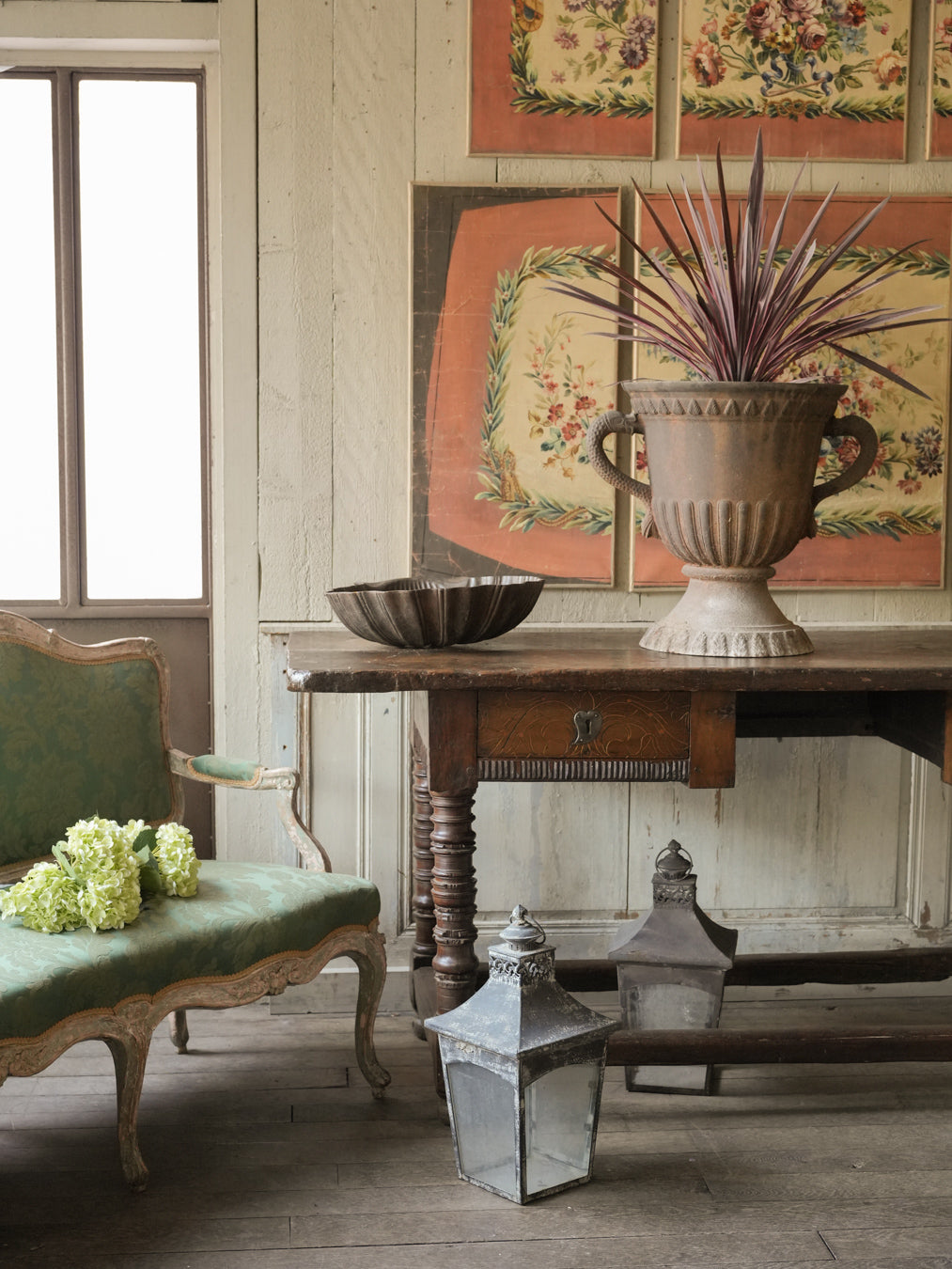
Furniture is the backbone of any vintage-inspired space. Look for pieces with solid construction—wooden dressers, dining tables, armoires, and sideboards made from oak, walnut, or teak.
Older furniture often features:
- Turned legs
- Carved details
- Brass or porcelain hardware
Even one statement piece can anchor an entire room.
Textures That Feel Lived-In
Vintage interiors rely heavily on texture. Think distressed wood, chipped paint, aged leather, and soft linens. These materials add depth and prevent the space from feeling flat.
Layering textures—like a woven rug under a wooden coffee table or lace curtains against brick walls—creates visual richness.
Muted and Earthy Color Palettes
Rather than bold, saturated hues, vintage spaces favor softer tones:
- Creams and ivories
- Sage green and olive
- Dusty blues
- Warm browns and taupes
These colors age gracefully and complement natural materials beautifully.
Decorative Accessories with Character
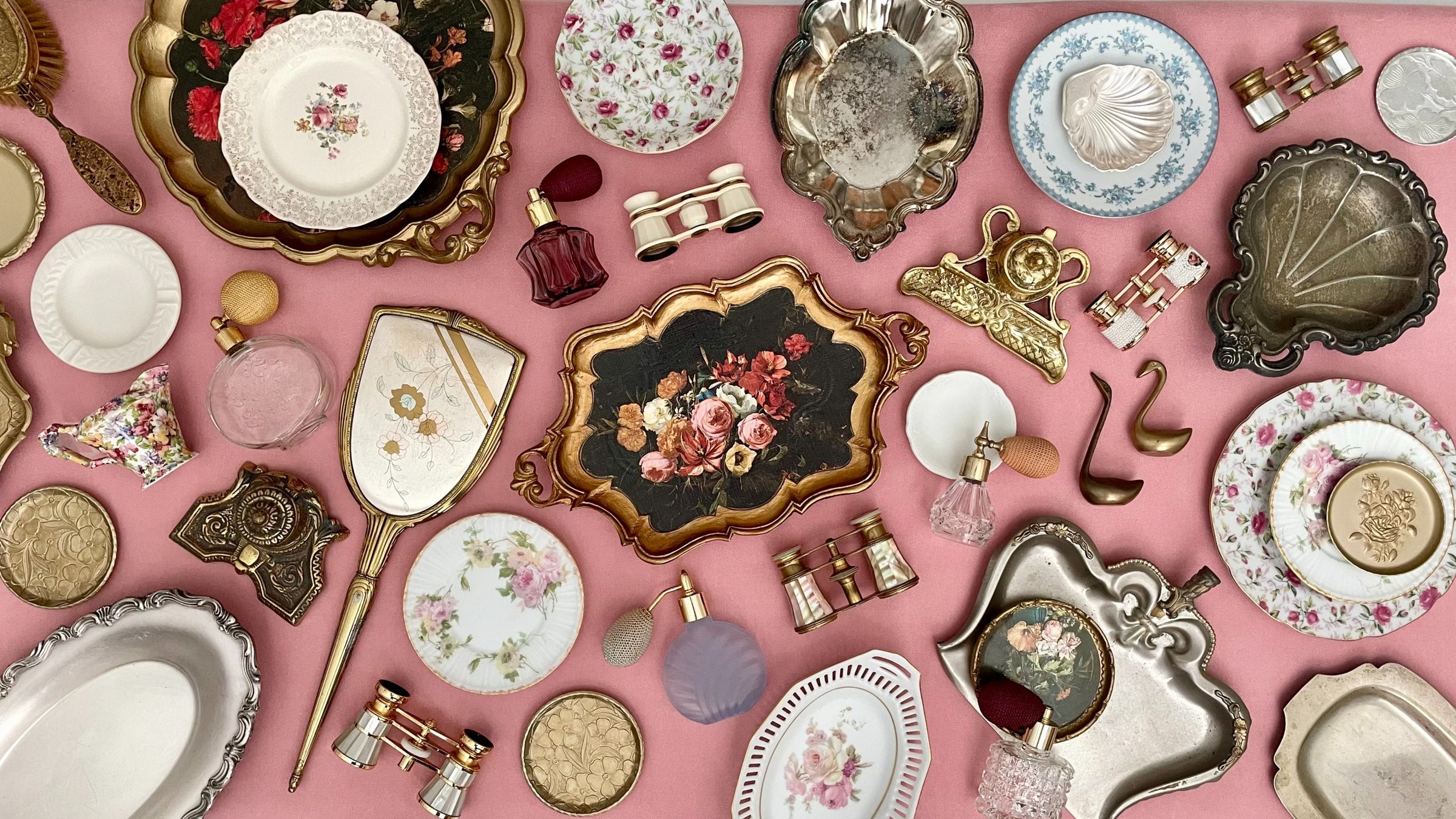
Accessories complete the story. Old books, ceramic vases, framed black-and-white photographs, clocks, mirrors, and candle holders bring personality into the space.
A key principle here is restraint. Fewer, well-chosen items make a stronger impact than cluttered shelves.
Popular Vintage Home Decor Styles
Farmhouse Vintage
Farmhouse vintage decor blends rustic charm with practicality. It often features reclaimed wood, enamelware, open shelving, and neutral colors. This style feels cozy, welcoming, and unpretentious.
Shabby Chic
Shabby chic leans into softness and romance. Distressed white furniture, floral patterns, pastel hues, and ornate frames define this look. It’s imperfect but intentionally so.
Mid-Century Vintage
Inspired by the 1950s and 60s, mid-century vintage focuses on clean lines, tapered legs, and functional design. Teak furniture, geometric patterns, and warm tones dominate this style.
Industrial Vintage
This style draws from old factories and warehouses. Exposed brick, metal fixtures, Edison bulbs, and weathered wood come together to create an edgy yet nostalgic atmosphere.
How to Incorporate Vintage Home Decor Room by Room
Living Room
Start with one focal point—a vintage sofa, a wooden coffee table, or a classic rug. Build around it using neutral walls and layered textiles. A gallery wall of old frames instantly adds character.
Bedroom
Vintage bedrooms feel serene and personal. Iron bed frames, wooden nightstands, lace curtains, and soft lighting create a calm retreat. Antique mirrors or dressers add elegance without overpowering the space.
Kitchen
Open shelves displaying vintage crockery, glass jars, and enamel containers work beautifully. A farmhouse sink or retro-style appliances can elevate the entire kitchen aesthetic.
Bathroom
Small vintage touches go a long way here. Think brass faucets, framed mirrors, clawfoot tubs, or apothecary jars. These details transform a functional space into something special.
Mixing Vintage and Modern Decor the Right Way
One of the biggest misconceptions is that vintage decor must look old-fashioned. In reality, the most compelling interiors balance old and new.
A modern sofa paired with a vintage rug creates contrast. Sleek lighting above an antique dining table feels intentional and fresh. The key is proportion—let one style lead while the other supports.
However, mixing works best when there’s a common thread, such as color, material, or shape. Without cohesion, the space can feel disjointed.
Where to Find Authentic Vintage Decor Pieces
Finding quality vintage items requires patience, but the reward is worth it.
Popular sources include:
- Local flea markets and thrift stores
- Estate sales and auctions
- Antique shops
- Online marketplaces specializing in second-hand goods
When shopping, inspect construction quality and materials. Solid wood, hand-stitched upholstery, and metal hardware are good indicators of authenticity.
Common Mistakes to Avoid with Vintage Home Decor
One common mistake is overdoing it. Too many vintage items can make a home feel like a museum rather than a living space.
Another issue is ignoring scale. Large antique furniture in a small room can overwhelm the space. Always consider proportions.
Finally, avoid buying items just because they’re old. Every piece should serve a purpose—functional, aesthetic, or emotional.
Vintage Home Decor on a Budget
Decorating with vintage style doesn’t have to be expensive. In fact, it’s often more affordable than buying new designer furniture.
Simple strategies include:
- Repurposing old furniture with light restoration
- Shopping second-hand rather than retail
- Mixing affordable reproductions with authentic pieces
A little creativity can go a long way.
Frequently Asked Questions
What defines true vintage home decor?
True vintage home decor includes items from past decades that show age, craftsmanship, and historical character, typically 20–100 years old.
Is vintage decor the same as antique decor?
No. Antiques are over 100 years old, while vintage pieces are newer but still old enough to carry nostalgic value.
Can vintage home decor work in small apartments?
Yes. Using fewer statement pieces and light color palettes makes vintage decor suitable for small spaces.
How do I modernize vintage decor?
Pair vintage furniture with modern lighting, neutral walls, and minimalist layouts for balance.
Is vintage decor expensive?
Not necessarily. Thrift stores, flea markets, and DIY restoration make it budget-friendly.
What colors work best with vintage interiors?
Muted tones like cream, sage, dusty blue, and warm neutrals work best.
Can I mix different vintage eras?
Yes, as long as there’s cohesion in color, texture, or scale.
Is vintage home decor sustainable?
Absolutely. Reusing furniture reduces waste and environmental impact.
Conclusion
Vintage home decor is more than a design choice—it’s a mindset. It values history over perfection, character over trends, and meaning over mass production. When done thoughtfully, it creates spaces that feel warm, authentic, and deeply personal.
By blending old-world charm with modern sensibilities, you can design a home that doesn’t just look beautiful but also feels like it truly belongs to you.







![lwmfcrafts 7 Creative Ideas & Practical Guide [2026]](https://robertmygardenandpatio.net/wp-content/uploads/2026/01/lwmfcrafts-7-Creative-Ideas-Practical-Guide-2026-300x169.jpg)