
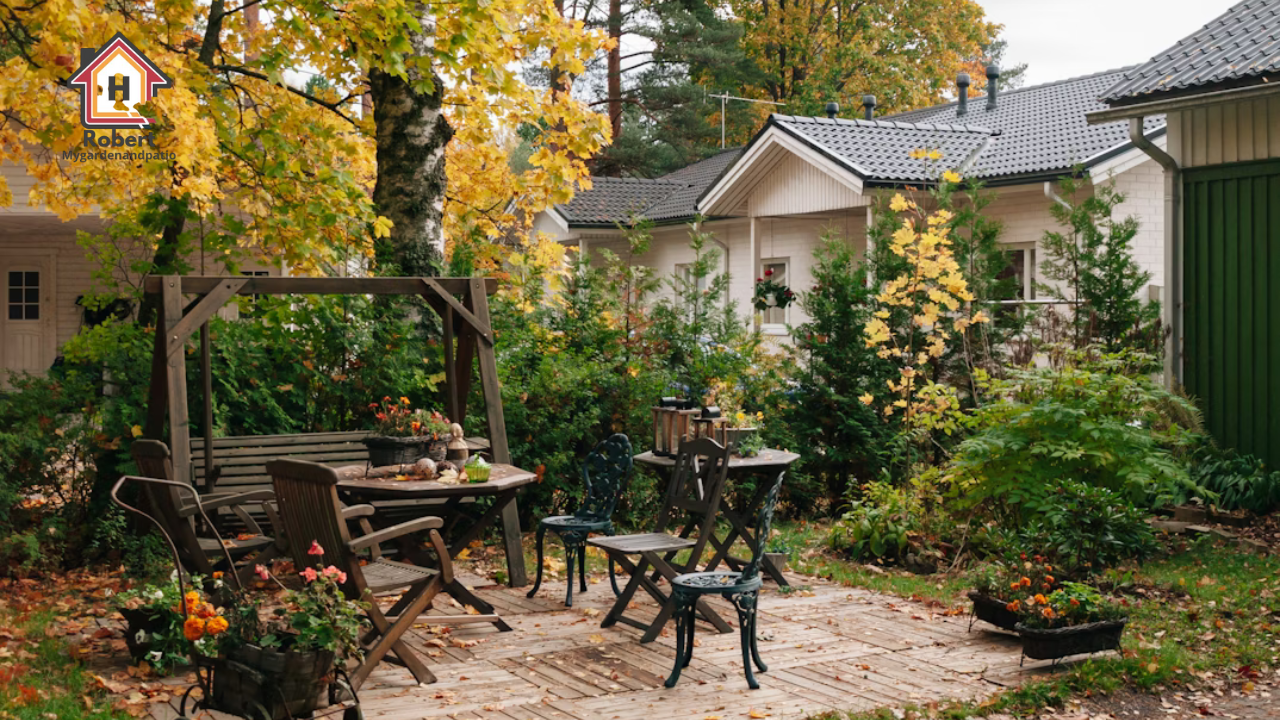
Your backyard doesn’t need a “full renovation” to feel better. Most of the time, it needs one smart change—something small that makes the space easier to use, easier to maintain, or just more enjoyable when you step outside.
That’s why backyard hacks decadgarden style ideas are so popular: they’re practical, usually low-cost, and they create that instant “wow, this feels nicer” effect without turning your weekend into a construction job.
If you’ve ever looked at your yard and felt a mix of motivation and dread, you’re not alone. On one hand, you want it to look great. On the other hand, you don’t want to spend a fortune, fight weeds for hours, or buy tools you’ll never use again.
This guide is built for real life: tight budgets, busy schedules, small spaces, renters, families, and anyone who wants results that last beyond one Instagram photo.
What “backyard hacks” really mean (and why they work)
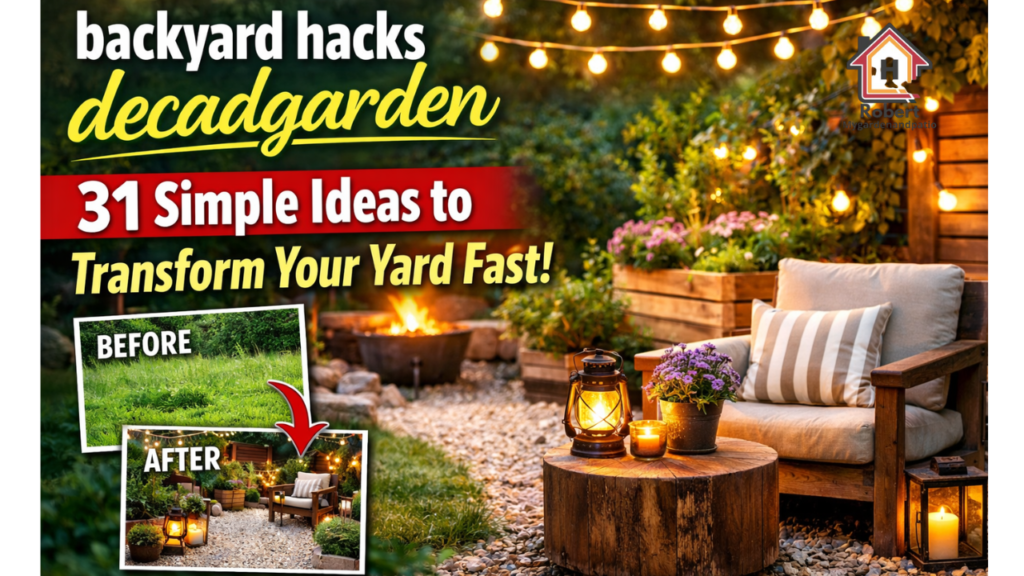
A “backyard hack” is simply a shortcut that saves you one of three things: time, money, or frustration. The best hacks do all three.
Definition: a backyard hack
A backyard hack is a small, repeatable improvement—often DIY—that makes your outdoor space more functional or attractive without requiring a full redesign.
In reality, most backyards don’t fail because they’re “ugly.” They fail because they’re awkward. There’s nowhere to sit. The hose is always in the way. The plants are thirsty but watering feels like a chore. You step outside and instantly think about the work instead of the comfort.
That said, you don’t need a massive plan to fix those issues. You need a few high-impact moves in the right order.
backyard hacks decadgarden mindset: small changes, big payoff
Here’s the core mindset: choose hacks that solve a daily annoyance first, and aesthetics will follow naturally.
For example:
- If watering is annoying, you won’t keep plants alive—so your yard looks worse over time.
- If seating is uncomfortable, you won’t hang outside—so the yard feels “unused,” even if it’s landscaped.
- If storage is missing, tools end up scattered—so everything feels messy.
Once you start solving those friction points, the yard becomes “easy.” And when a yard is easy, it becomes beautiful almost by accident. This is where backyard hacks decadgarden style projects shine: they focus on lived-in improvements, not perfection.
Start with a 30-minute backyard reset
Before you buy anything, do a quick reset. It sounds basic, but it changes what you notice—and what you stop wasting money on.
Step 1: pick one “home base”
Choose the single spot where you most want to sit or stand. It might be:
- near a back door
- under shade
- facing the best view
- closest to an outdoor outlet
This is your anchor point. Most layouts should support this zone.
Step 2: clear one visual line
Walk to your home base and look out. Identify the first thing your eyes land on that feels messy (hose pile, empty corner, broken pot). Fix only that one thing today.
Quick wins:
- coil the hose on a hook
- gather random pots into one “plant station”
- move clutter behind a screen or planter
Step 3: choose your “one problem”
Ask yourself: what’s the one thing that makes you avoid being outside?
Common answers:
- mosquitoes
- too hot / no shade
- no comfortable seating
- weeds spreading everywhere
- dead patches of grass
That one problem becomes your first project.
A simple “reset” checklist (printable)
- Pick one sitting zone
- Remove trash + broken items
- Hide or organize hoses/tools
- Sweep/brush the patio
- Water plants once, deeply
- Take a photo (so you can see progress later)
When you do this, you’ll stop guessing. You’ll start designing based on how you actually live.
Layout hacks that make any yard feel bigger
Small yards can feel cramped, and big yards can feel empty. Both are layout problems—not space problems.
Define your zones (even if you have 10 square meters)
A “zone” is a purpose. You can have two zones and still feel like you have a full backyard experience.
Common zones:
- sitting + coffee
- grilling + eating
- garden + harvesting
- kids + play
- quiet corner + reading
The path trick: stop walking on your “feature”
If you constantly walk across your prettiest area, it will look worn and messy. Add a simple path so traffic flows where you want it.
Easy path options:
- stepping stones over gravel
- wood rounds (sealed) in mulch
- brick offcuts
- pavers spaced with groundcover
Visual widening: the diagonal layout hack
If your yard is narrow, place the main path or rug diagonally instead of straight. It fools the eye into reading the space as wider and more dynamic.
The “two chairs” rule
If your yard has space for one chair, it usually has space for two small chairs. Two chairs create a conversation area, which makes the backyard feel intentional (not like someone dragged furniture outside).
Practical tip: choose lightweight chairs so you’ll actually move them with the sun/shade.
Make a tiny yard feel private without building a fence
Privacy is a feeling, not a wall. You can create it with:
- tall planters (bamboo-like grasses, areca palm in warm climates)
- a trellis with vines
- outdoor curtains on a wire
- a narrow screen panel near seating
A quick layout table (what to do first)
| Goal | Best first move | Cost level | Time | Why it works |
|---|---|---|---|---|
| Yard feels messy | Define one zone + add storage | Low | 1–2 hrs | Reduces visual noise fast |
| Yard feels small | Diagonal rug/path + vertical plants | Low–Med | 2–4 hrs | Adds depth and height |
| Yard feels empty | Add a focal point (fire bowl, planter, bench) | Med | 2–6 hrs | Gives the eye a destination |
| Yard feels unusable | Upgrade seating + shade | Med | 2–8 hrs | Increases actual usage |
Soil, plants, and garden productivity hacks
Beautiful backyards aren’t built on fancy plants. They’re built on good soil and smart placement.
Definition: healthy garden soil
Healthy soil is loose, dark, and full of organic matter. It holds moisture but drains well, and it feeds microbes that feed your plants.
The “mulch first” hack (seriously)
If you do one gardening thing this weekend, make it mulch. Mulch:
- reduces weeds
- keeps soil cooler
- slows water evaporation
- prevents soil compaction from rain
Even a 5–7 cm layer makes a visible difference.
Compost without the “compost personality”
Not everyone wants a full compost system. Fair. Try these lower-effort options:
- countertop scrap bucket + weekly drop (if your city offers it)
- a simple lidded bin with dry leaves added
- trench composting (bury scraps 20–25 cm deep away from roots)
Many households throw out a surprisingly large share of food and yard scraps; composting can reduce trash volume and improve soil at the same time.
Raised beds without carpentry
You can build raised beds without cutting wood by using:
- galvanized stock tanks
- concrete blocks (holes can hold herbs)
- old bricks/stone stacked low
- fabric grow bags for small spaces
Hack: line the bottom with cardboard before filling. It smothers weeds and breaks down over time.
Vertical gardening for instant “lush”
When ground space is limited, go up:
- wall planters for herbs
- a trellis for beans, cucumbers, or flowering vines
- hanging baskets for trailing plants
- ladder shelf for pots
This approach also creates a stronger “garden vibe” even if you only have a patio.
backyard hacks decadgarden for faster harvesting
If you want fast wins (the kind that make you want to keep gardening), grow plants with quick payoff:
- salad greens (often ready in weeks)
- herbs (cut-and-come-again)
- cherry tomatoes (high yield)
- peppers (long season)
- mint (in a pot—always in a pot)
Pair that with a simple routine: water deeply, mulch, and prune lightly. That’s it.
Plant pairing that reduces pests naturally
Instead of spraying everything, use smart pairing:
- basil near tomatoes
- marigolds around vegetable beds
- lavender/rosemary near seating (pleasant scent, less bug pressure)
- flowering plants to attract pollinators
You’ll never eliminate pests completely, but you can reduce damage and stress.
Water-smart hacks for healthier plants
Watering is where many people burn out. It’s repetitive, it feels endless, and in hot months it becomes expensive.
In many regions, outdoor watering can account for a large share of household water use—often around 30–50% during peak summer—so small changes can matter.
The “deep watering” rule
Shallow watering creates shallow roots. Deep watering encourages roots to chase moisture down, making plants more resilient.
Quick guide:
- water early morning if possible
- water slowly so it soaks in
- water less often, but more thoroughly
DIY drip irrigation with zero drama
A simple drip setup (even a basic kit) can:
- deliver water right to roots
- reduce evaporation
- cut watering time dramatically
If you want a DIY route, use soaker hoses under mulch. Place them once, cover them, and your yard becomes easier overnight.
Use the bottle-reservoir hack for pots
For containers, fill a plastic bottle with water, poke a tiny hole in the cap, invert into the soil. It’s not fancy, but it helps during hot weeks and travel days.
The “right pot” hack
If your pots dry out fast, it may not be your watering—it’s the container choice.
Better options:
- larger pots (more soil = more stable moisture)
- glazed ceramic (slower drying)
- self-watering planters for herbs
Also: group pots together. Clusters create a slightly more humid microclimate and reduce wind drying.
backyard hacks decadgarden for saving water without sacrificing style
Try these water-wise upgrades:
- swap some lawn area for gravel + plants
- add drought-tolerant perennials in sunny spots
- use mulch everywhere you can
- collect rainwater if allowed (even one barrel helps)
This keeps the yard greener with less effort, which is the whole point.
Comfort and privacy hacks you’ll actually use
A backyard can be pretty and still feel uncomfortable. Comfort is what makes you step outside on a random Tuesday—not just when guests come over.
Shade hacks that don’t require a pergola
Shade options by difficulty:
- Low: outdoor umbrella with a heavy base
- Medium: shade sail (anchored properly)
- Medium: pop-up canopy for events
- Higher: simple frame + fabric cover
Hack: put shade where you sit, not where you wish you sat.
Mosquito control that doesn’t smell like chemicals
Start with the basics:
- remove standing water (even small saucers)
- use fans in seating zones (mosquitoes dislike airflow)
- add plants with strong scent near seating (herbs, lavender, citronella geranium)
If mosquitoes are intense where you live, pair these with screens or netting around a small seating area. It feels like a “room” outdoors.
Privacy that looks intentional
A privacy solution should look like decor, not a panic purchase.
Good-looking options:
- slatted wood screen (stained)
- tall planters + grasses
- trellis + vine
- outdoor curtains for patios
Make seating feel “indoors but outside”
One cheap upgrade is textiles:
- outdoor rug
- two cushions
- a throw blanket for cooler evenings
When seating looks inviting, you’ll use it more. Usage is the real success metric.
Lighting and ambiance hacks for instant mood
Lighting is one of the highest impact, lowest effort upgrades you can do. It changes the atmosphere in a single evening.
Definition: layered outdoor lighting
Layered lighting mixes three types:
- ambient (overall glow)
- task (grill, steps, pathways)
- accent (plants, features, walls)
String lights without sagging
If you’ve tried string lights and they droop, anchor them properly:
- use guide wire (thin steel cable)
- attach lights to the cable
- tension the cable between secure points
It looks cleaner and lasts longer in wind.
Solar lights: what actually works
Solar lights vary wildly in quality. Look for:
- warm-toned options (more natural)
- weather sealing
- decent battery capacity
Place them where they get real sun. It sounds obvious, but a lot of backyards have shady corners where solar lights will always struggle.
backyard hacks decadgarden for cozy night-time vibes
Try this combo:
- string lights overhead
- path lights along a walkway
- one warm lantern or candle-safe holder on the table
It feels like a destination, not just “outside.”
Budget decor and upcycle hacks that look expensive
Some “cheap decor” looks cheap. The trick is to focus on texture, repetition, and scale.
The repetition hack (makes things look designed)
Choose one material and repeat it three times:
- terracotta pots repeated across zones
- black planters repeated near entry and seating
- the same cushion fabric on two chairs
Repetition creates intentionality.
Use gravel as a design element, not a filler
Gravel is affordable and can look modern if you:
- edge it cleanly (brick, metal, stone)
- use a consistent size/color
- combine it with a few bold plants
It also reduces mud and weeds in high-traffic areas.
Upcycle ideas that don’t scream “DIY”
- old wooden ladder → plant shelf
- sturdy crates → side table (sand + seal)
- pallets → bench base with cushion
- broken pots → drainage layer + mosaic edging
Hack: sanding and a consistent stain/paint color are what separate “crafty” from “clean.”
A simple decor formula
If you’re unsure what to buy, use this:
- 1 rug
- 2 chairs
- 1 small table
- 1 tall plant
- 2 small accent lights
That’s enough to make a patio feel complete.
Kid- and pet-friendly backyard hacks
A yard that works for kids and pets is usually a yard that works for adults too—because it’s safer, more organized, and less fragile.
Create a “yes zone”
A yes zone is an area where kids/pets can roam without constant “no.”
Examples:
- a small patch of durable grass
- a mulched play corner
- a sandbox area with a cover
- a toy bin near the back door
Pet-safe planting basics
If pets chew plants, focus on:
- raised planters
- hanging baskets
- sturdy shrubs along edges
Avoid placing delicate seedlings at nose height. That’s just heartbreak waiting to happen.
backyard hacks decadgarden for low-stress outdoor time
The simplest hack: create one shaded spot and one water spot (a bowl or small fountain). Comfort reduces destructive behavior—yes, even for dogs that “dig because they’re bored.”
Seasonal maintenance hacks (less work, fewer regrets)
Maintenance feels overwhelming when it’s constant. The goal is to make it periodic and predictable.
Spring: set the foundation
- refresh mulch
- prune dead growth
- clean gutters if you collect rainwater
- test irrigation/hoses early (before the heat)
Summer: protect moisture and shade
- water deeply
- mulch again if thin spots appear
- move pots to reduce scorching
- add shade where plants struggle
Fall: prep for easier next year
- add compost to beds
- plant perennials or bulbs
- store tools properly
- cover bare soil with mulch or leaves
Winter: small wins count
Even in colder climates, you can:
- plan your spring zones
- repair edging
- clean and store cushions
- set up lighting while plants are dormant
A well-timed hour in winter can save you five stressful hours in spring.
DecadGarden background and financial insights (how to evaluate)
Because “decadgarden” appears alongside the keyword, many readers interpret it as a brand, creator name, or a style of backyard content. If you’re referencing DecadGarden on your site (or building similar content), it helps to address credibility in a responsible way—without guessing facts.
Personal background (what to look for)
If DecadGarden is a creator or brand, a trustworthy background section typically includes:
- where they’re based (climate affects advice)
- whether they focus on DIY, design, or gardening science
- their hands-on experience (years, projects, before/after work)
- the type of yards they specialize in (small patios, family yards, rental-friendly, etc.)
Career journey (signals of real expertise)
Instead of relying on titles, look for:
- consistent project documentation over time
- clear explanations of “why,” not just “what”
- realistic budgets and tool lists
- content that includes mistakes and fixes (a strong human signal)
Achievements (examples that matter to readers)
Credible achievements in this niche are often:
- successful transformations on tight budgets
- helpful templates/checklists
- evidence of sustainable practices (water-wise planting, composting, native pollinators)
Estimated net worth or financial insights (if relevant)
Net worth is rarely public for DIY/garden creators, and it’s easy to spread misinformation. A safer approach is to talk about earning models:
- ad revenue (varies by traffic and region)
- affiliate links (tools, lights, planters)
- digital products (guides, plans, printable checklists)
- brand partnerships (seasonal and campaign-based)
If you want to discuss money, frame it as an estimate range with clear uncertainty, or focus on “how creators in this niche typically earn,” rather than stating a number.
How this connects to backyard hacks decadgarden content
If your goal is to publish content that readers trust, follow the same rule: show your work. Share real examples, explain tradeoffs, and be honest about what depends on climate, budget, or space. <strong>backyard hacks decadgarden</strong> content performs best when it feels lived-in and practical—not like a showroom.
FAQ
What are the easiest backyard hacks to do in one day?
Start with one zone: sweep/clean, add a rug, place two chairs, and install basic lighting. Then mulch any bare soil to reduce weeds and improve the look fast.
How do I make my backyard look expensive on a budget?
Focus on edges and repetition. Clean borders (brick/metal edging), a consistent planter style, and layered lighting can make even cheap materials look intentional.
How many plants do I actually need for a “lush” look?
Fewer than you think. Use a mix of heights (one tall, two medium, a few low). Group pots and repeat plant types for a fuller feel without buying dozens.
Is grass necessary for a nice backyard?
Not at all. Many modern yards replace some grass with gravel, pavers, or mulch paths plus plants. It can look cleaner and reduce water and mowing.
What’s the best way to reduce weeds without constant pulling?
Mulch is the #1 fix. Add cardboard under mulch for new beds, keep a 5–7 cm layer, and edge boundaries so weeds don’t creep in from borders.
How can I create privacy fast without building a fence?
Use tall planters, a trellis with vines, or a screen panel near seating. Even covering one sightline makes the whole yard feel more private.
Are solar lights worth it?
Yes, if they’re placed where they receive enough sun and you choose decent quality. Use them for pathways and accents, then add string lights for a stronger glow.
How do backyard hacks decadgarden ideas stay low-maintenance over time?
By solving friction points first: watering made easy (soaker hose/drip), weeds controlled (mulch), storage organized (hooks/bins), and seating comfortable (so you actually use the space).
What’s one mistake that ruins most backyard DIY projects?
Doing decor before function. If the layout is awkward, the hose has nowhere to go, or watering is annoying, the yard will fall apart no matter how pretty it looks at first.
How do I choose projects if I feel overwhelmed?
Pick the single problem that bothers you most (no shade, weeds, no seating). Fix that first. Momentum comes from relief, not from perfection.
Conclusion
A backyard doesn’t become lovable because you spent a lot. It becomes lovable because it works—because stepping outside feels easy, comfortable, and a little bit rewarding.
Start with one zone. Fix one annoyance. Add one upgrade that makes you want to be outside again. Once that happens, the rest gets simpler: plants thrive, clutter stays contained, and your yard starts looking like a place you belong—rather than a project you keep avoiding.





![lwmfcrafts 7 Creative Ideas & Practical Guide [2026]](https://robertmygardenandpatio.net/wp-content/uploads/2026/01/lwmfcrafts-7-Creative-Ideas-Practical-Guide-2026-300x169.jpg)