
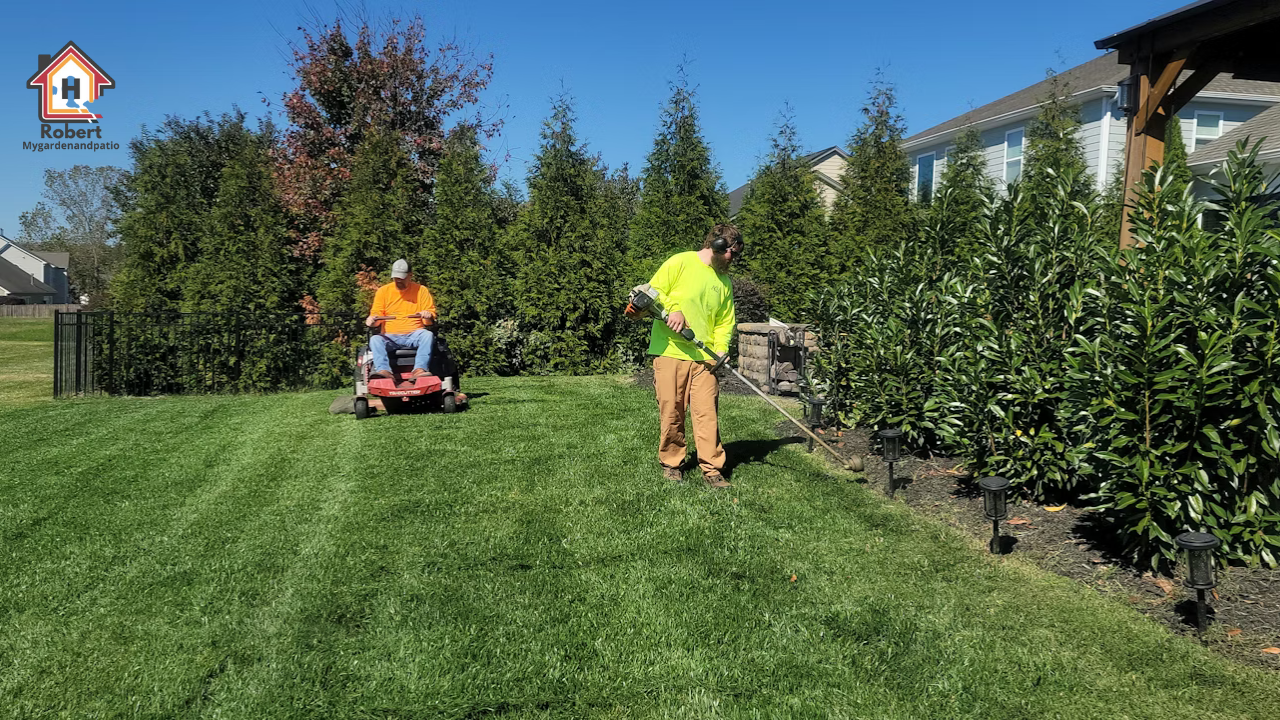
You know that feeling when you step into someone’s yard and it just works? Not because it’s huge, but because it feels calm, layered, and thoughtfully put together.
That’s the vibe most people are chasing when they search decadgarden yard tips by decoratoradvice—practical guidance that helps a yard look better and feel easier to live in, without turning weekends into never-ending chores.
In this guide, you’ll get a simple process you can follow in order: assess what you have, plan a layout that fits your life, choose plants that cooperate with your climate, and finish with lighting and details that make everything feel intentional.
Decadgarden yard tips by decoratoradvice: what the phrase points to
If you’ve seen the term “DecadGarden” floating around, it’s used both as a style idea (lush, cozy, layered outdoor living) and as a publishing brand. DecadGarden’s own “About Us” page says it includes yard tips “by DecoratorAdvice,” positioning the concept as a curated set of outdoor planning suggestions.
DecoratorAdvice also presents itself as a home décor and DIY resource, with outdoor and exterior content as part of its broader topics.
So, when people search decadgarden yard tips by decoratoradvice, they’re typically looking for one of these:
- A clear meaning of what “decadgarden” style looks like in real yards
- A step-by-step plan (not random ideas)
- Tips that make a yard functional, not just pretty
- A low-stress maintenance rhythm that doesn’t collapse after two weeks
A DecadGarden article under the same phrase leans into this exact idea: understand your yard first, then plan layout, then decorate with intention.
A simple definition you can use on your site
<strong>decadgarden yard tips by decoratoradvice</strong> can be understood as a practical approach to yard design that blends garden layering, comfortable outdoor living, and realistic upkeep—so the space feels “finished” and easy to enjoy.
What makes this different from “yard hacks”
A lot of yard advice online is fast and flashy: buy this, add that, copy this photo. It looks great until weather, weeds, and real life show up.
This approach works better because it starts with the boring stuff (sun, soil, water, traffic paths) and uses décor as a final polish, not the foundation.
Start with the yard you have: light, soil, and lifestyle
Before you buy a single plant or pot, do a quick yard audit. This is where good yards are born.
Step 1: Map sun, shade, and wind
Walk your yard at three times:
- Morning
- Midday
- Late afternoon
Write down: - Where full sun hits hardest
- Which corners stay shady and damp
- Windy edges that dry pots fast
- Spots that get splashed by runoff or sprinklers
This matters because the same plant can thrive in one micro-zone and struggle two meters away.
Step 2: Define what you actually want to do outside
This is the part people skip, then regret later. Pick your top priority:
- A quiet coffee corner
- A family hangout zone
- A grilling/dining space
- A kids-and-pets zone
- A veggie/herb setup
- Privacy from neighbors
Your yard should match your lifestyle first, your Pinterest board second.
Step 3: Understand soil in plain language
Soil doesn’t need to be complicated. You mainly want to know:
- Does it drain fast or stay soggy?
- Is it compacted (hard) or loose?
- Does it have organic matter (dark, crumbly, “alive”)?
Quick test: dig a small hole, fill it with water, and see how long it takes to drain. If it sits for hours, you’ll need drainage improvements or plants that tolerate moisture.
Step 4: Make your yard “maintenance honest”
Be honest about your time and energy. If you can only give the yard 30 minutes a week, design for that.
A yard can still look lush with:
- Mulch instead of exposed soil
- Fewer plant varieties (but repeated in groups)
- Tough perennials and shrubs
- Drip irrigation or soaker hoses
Plan a layout that feels good to use
A yard can be gorgeous and still feel awkward if the layout is wrong. Layout is comfort.
Yard zoning: the easiest way to make it look designed
Zoning means giving each area a job. Even tiny yards can have zones.
Common zones:
- Seating zone
- Dining zone
- Garden/planting zone
- Walkway zone
- Utility zone (bins, hose, storage)
If you want the yard to feel “higher-end,” keep the zones clean and obvious. Clutter usually comes from unclear zones.
Define hardscaping before you plant
Hardscaping means the non-living parts: paths, edging, patios, gravel areas, retaining edges, stepping stones.
Hardscape decisions should come before plants because they control:
- How you move through the yard
- Where water goes
- Where you’ll place furniture
- Where plants can safely grow without getting trampled
A DecadGarden yard-decoration guide emphasizes paths, curved walkways, and lighting as foundational design moves.
A layout table you can follow
| Layout goal | What to do | Why it works |
|---|---|---|
| Make it feel bigger | Use one main path and keep edges simple | Too many paths chop space |
| Make it feel cozy | Create a “room” with plants/screens | Boundaries create comfort |
| Make it kid-friendly | Keep an open play rectangle | Kids need clear space |
| Make it private | Use vertical layers (trellis + tall pots) | Faster than waiting for hedges |
| Make it low maintenance | Reduce lawn footprint and add mulch/gravel | Less mowing and watering |
Real-life example: the “awkward rectangle” yard
If your yard is a plain rectangle, here’s a simple layout that works almost anywhere:
- One seating corner (chair + table + tall plant)
- One planting border along the fence (repeated shrubs + flowers)
- One straight or gently curved path (stepping stones or gravel)
- One utility corner (hidden behind tall pots or a screen)
That’s it. The rest is planting and lighting.
Planting for a lush, “decadgarden” look without chaos
“Decadgarden” style doesn’t mean buying rare plants. It means using layering and repetition so the yard feels full, calm, and intentional.
The planting rule that changes everything: layer by height
Layering gives depth. It also hides awkward edges.
Use three layers:
- Tall layer: small trees, trellis climbers, bamboo screens (where appropriate)
- Mid layer: shrubs, ornamental grasses, larger flowering plants
- Low layer: groundcovers, edging plants, herbs, seasonal color
| Layer | Best use | Easy examples (vary by climate) |
|—|—|—|
| Tall | Privacy + structure | trellis vine, small tree, tall grass |
| Mid | Fullness + shape | shrubs, hydrangea-style blooms, rosemary |
| Low | Soft edges + color | thyme, creeping plants, annual flowers |
Choose plants that match your light, not your wish list
A shady corner won’t behave like a sunny border. If you fight your yard, you’ll keep buying replacement plants.
Instead:
- Full sun: choose heat-tough, drought-tolerant varieties when possible
- Part shade: go for textured foliage and shade-friendly bloomers
- Deep shade: focus on greenery, ferns, and containers that can move
Pollinator-friendly planting is growing for a reason
More gardeners are converting lawns into wildlife-friendly spaces and prioritizing native plants and pollinator support, according to the National Wildlife Federation’s survey-based trends.
Even if you don’t want a “wild” look, you can add a pollinator strip that still feels tidy:
- Repeat the same 2–3 flowering plants
- Use mulch and a clean border edge
- Keep height graduated (low front, taller back)
Real-life example: “I want lush but I hate weeding”
Here’s a simple plant strategy that looks rich and stays sane:
- Shrubs first (structure)
- Groundcover second (weed suppression)
- Flowers last (color)
Then mulch everything. Exposed soil invites weeds, and weeds invite frustration.
Décor, lighting, and features that make the yard feel finished
This is the part people love, but it works best after layout and planting are underway.
Lighting is the shortcut to “wow”
If you do one upgrade that changes the mood fast, do lighting:
- String lights for ambient glow
- Solar path lights for safety
- Lanterns for corners
- One uplight aimed at a focal plant or textured wall
Build one focal point on purpose
A focal point keeps the yard from looking “random.”
Options:
- A water bowl fountain
- A fire pit or fire bowl
- A statement planter (big and simple)
- A feature tree or sculptural plant
- A small pergola or trellis wall
Add comfort like you would indoors
Outdoor spaces feel premium when they feel usable.
Think like an interior designer:
- A place to sit
- A place to put a drink
- A soft element (cushion, rug, throw in a storage bin)
- A consistent color palette
Outdoor upgrades can also help resale appeal
If home value matters to you, functional outdoor features can carry measurable buyer appeal. Zillow’s analysis of listing language has reported sale premiums for certain nature-inspired and functional outdoor features (like outdoor showers, outdoor kitchens, and bluestone patios), though results vary by market.
You don’t need a full outdoor kitchen. Even a clean patio + lighting + planting layers can change how the yard “reads” in photos and in person.
Water-smart and low-maintenance habits
A yard can look incredible and still be a water and time trap. Let’s avoid that.
The water reality most homeowners don’t realize
In the U.S., landscape irrigation is estimated to account for nearly one-third of residential water use, totaling nearly 9 billion gallons per day, and outdoor use can rise sharply in hot months or dry climates.
That’s why water-smart choices matter even if your water bill isn’t scary yet.
Easy water-smart moves that keep the yard lush
- Mulch beds to reduce evaporation
- Group plants by similar water needs
- Water early morning (less loss to heat)
- Use drip irrigation/soaker hoses instead of spraying leaves
- Replace parts of thirsty lawn with groundcover, native plants, or gravel zones
Low-maintenance doesn’t mean “no maintenance”
It means fewer emergencies. A simple weekly rhythm:
- 10 minutes: check leaves for stress and pests
- 10 minutes: deadhead or trim messy growth
- 10 minutes: water check (or irrigation check)
That’s enough to keep most yards looking cared for.
Gardening can support well-being, too
A 2024 umbrella review and meta-analysis found gardening and horticultural therapy were linked to positive impacts on well-being and quality of life, with a significant positive effect in meta-analysis (while also noting research quality varies).
That doesn’t mean gardening fixes everything. In reality, it means your yard can be more than “outside”—it can be a steadying habit.
Seasonal maintenance table
| Season | Focus | Quick actions |
|---|---|---|
| Spring | Reset and growth | compost top-up, mulch refresh, prune winter damage |
| Summer | Water and shade | deep water early, add shade for pots, check pests |
| Autumn | Tidy and prep | cut back tired growth, protect soil, plant bulbs |
| Winter | Protect and plan | cover sensitive plants, clean tools, plan layout tweaks |
Budget vs splurge: where money actually changes the result
This is where people waste cash: buying small décor items before the big visual anchors exist.
Spend on anchors first
Anchors make the yard look designed:
- One defined path (gravel, stepping stones, pavers)
- Two to four large planters instead of ten tiny ones
- A privacy screen or trellis wall
- Comfortable seating
Save on the “filler”
You can save money by:
- Starting plants small and letting them grow
- Using mulch and repeating fewer plant varieties
- Buying solar lighting first, upgrading later
- Shopping end-of-season clearance for pots and cushions
A realistic budget split
| Category | If budget is tight | If budget is mid | If budget is higher |
|---|---|---|---|
| Layout | simple edging + gravel | better path + border | patio/pavers + drainage |
| Plants | tough basics, repeated | layered mix | statement plant + variety |
| Seating | one good chair | small set + table | lounge seating + storage |
| Lighting | solar stakes | string lights + lanterns | uplights + timers |
Personal background and financial insights
Because your keyword includes a brand reference, it’s fair to explain what’s publicly visible without guessing.
DecadGarden positions itself as a home-and-garden content site and says it includes “yard tips by DecoratorAdvice” as part of its coverage.
DecoratorAdvice presents itself as a broader home décor and DIY platform with multiple categories, including outdoor-related content.
Career journey and achievements (what we can responsibly say)
From what’s visible on the sites, the “journey” reads like a content-publishing model: creating topic hubs, producing evergreen guides, and building a library of how-to articles that target common home and yard questions.
Net worth and financial insights
There is no reliable, verified public source that confirms the founders’ net worth for these brands, so it would be irresponsible to invent a number.
The realistic financial insight is about monetization patterns: home-and-garden content sites often generate revenue through ads, partnerships, and affiliate-style relationships, which is why trust (and clear information) tends to matter more than hype over time.
Common mistakes to avoid
These are the mistakes that make people give up halfway through.
Mistake 1: Decorating before planning
If you haven’t mapped sunlight, walking paths, and seating needs, décor becomes clutter.
Mistake 2: Too many plant varieties
A yard looks “expensive” when it repeats shapes and materials. It looks chaotic when every pot is different.
Mistake 3: Ignoring scale
Small pots disappear in open yards. Use fewer, larger containers for a richer look.
Mistake 4: Keeping lawn everywhere by default
Lawns can be beautiful, but they can also be water-hungry and time-hungry. Reducing lawn area is often the easiest way to lower upkeep while upgrading style.
Mistake 5: Forgetting the night view
A yard that looks good at 2 p.m. can look flat at 8 p.m. Lighting makes the space feel like a destination.
FAQ
What does decadgarden yard tips by decoratoradvice mean?
It typically refers to a practical style of yard improvement that combines planning, planting layers, and outdoor décor to create a lush, comfortable, easy-to-maintain yard experience.
Is “DecadGarden” a style or a website?
You’ll see it used both ways. DecadGarden also appears as a site that publishes yard and home guides and references tips “by DecoratorAdvice.”
How do I make my yard look expensive without spending a lot?
Use larger pots, repeat the same plant varieties in groups, define one path, and add warm lighting. Fewer items, stronger presence.
What’s the fastest yard upgrade that changes everything?
A seating zone plus lighting. Even a small chair-and-table corner can transform how the yard feels.
How can I reduce watering without making the yard look dry?
Mulch, group plants by water needs, reduce lawn area, and use drip irrigation or soaker hoses. EPA notes outdoor water use is a large share of household water, so small changes add up.
Are native plants worth it?
Often, yes. Many gardeners are prioritizing native plants and pollinator support, which can also reduce maintenance when matched to local conditions.
Does gardening really help mental well-being?
Research reviews generally report positive associations between gardening activities and well-being, though results vary by study quality and design.
What if I’m renting and can’t dig up the yard?
Go container-first: large pots, removable trellis panels, outdoor rugs, solar lights, and a portable seating zone. You can still create the decadgarden feel without permanent changes.
Conclusion
A yard doesn’t become beautiful because you buy a few decorations. It becomes beautiful because it fits your life, uses light and layout wisely, and builds layers that look full without feeling messy.
If you follow this process—audit first, layout next, planting layers after, then lighting and finishing touches—you’ll get a space you actually use, not just one you maintain.
And if you came here searching decadgarden yard tips by decoratoradvice, now you have the bigger truth behind the phrase: a yard that feels generous, calming, and real—built step by step, not by impulse.





![lwmfcrafts 7 Creative Ideas & Practical Guide [2026]](https://robertmygardenandpatio.net/wp-content/uploads/2026/01/lwmfcrafts-7-Creative-Ideas-Practical-Guide-2026-300x169.jpg)