
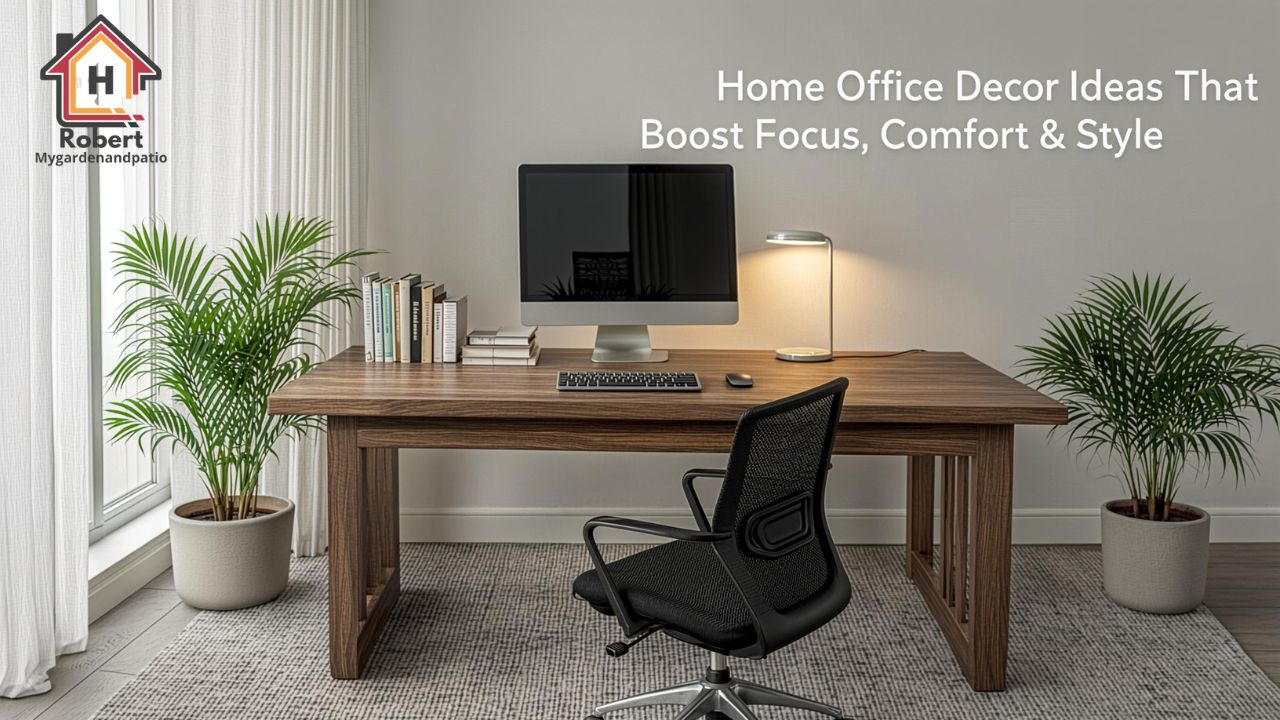
Introduction
Working from home sounds ideal—until your dining table turns into a cluttered desk and distractions creep in from every corner. The truth is, your environment quietly shapes how you think, feel, and perform. That’s why thoughtful home office decor ideas aren’t just about aesthetics; they’re about building a space that supports deep focus and daily motivation.
In reality, even small design changes—like lighting placement or wall color—can influence productivity and mood. Studies in environmental psychology show that well-designed workspaces can improve concentration by up to 20%. That’s not a small edge when deadlines pile up.
However, decorating a home office isn’t about copying Pinterest boards blindly. It’s about understanding how layout, color, texture, and ergonomics work together in real homes, with real constraints. Whether you’re in a spare room or a corner of your bedroom, the right approach can make your workspace feel intentional rather than temporary.
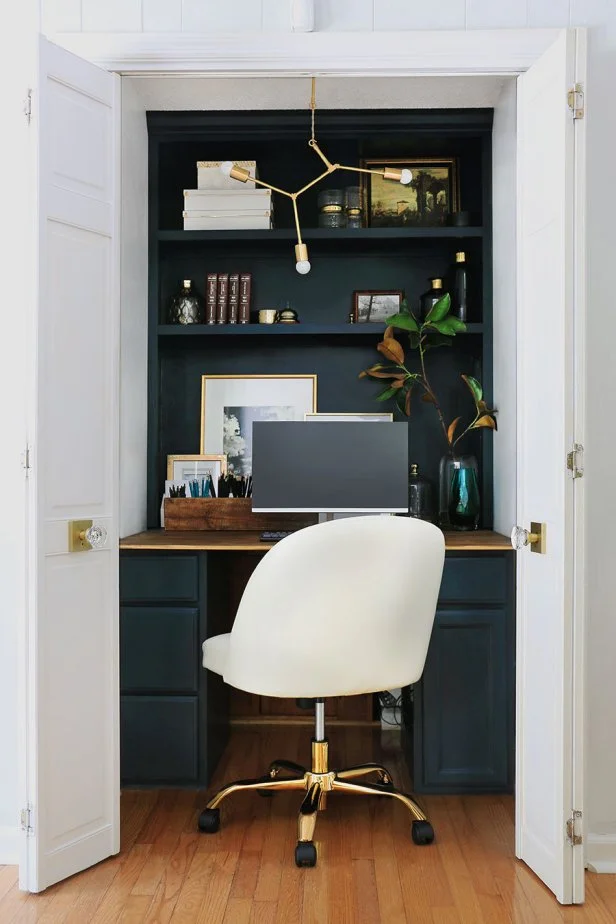
The Psychology Behind a Well-Designed Home Office
Before choosing furniture or wall art, it helps to understand why design matters at all. Your brain constantly reads cues from your surroundings. Visual clutter increases cognitive load, while balanced spaces reduce stress and mental fatigue.
A home office that feels intentional sends a signal: this is a place for focus. On the other hand, a workspace that blends into household chaos makes it harder to switch into “work mode.” That’s why effective home office decor ideas often start with boundaries—visual, physical, or both.
How Environment Influences Productivity
Research from workplace design studies shows three consistent factors:
- Natural light improves alertness and sleep quality
- Organized spaces reduce decision fatigue
- Personalization increases emotional connection to work
That said, productivity doesn’t come from perfection. It comes from alignment between your work style and your environment.
Plutoscreen.org delivers smart digital solutions, AI tools, and growth strategies to help businesses scale faster with innovation and performance.
MomFamousParenting.org shares practical parenting tips, real mom stories, child development advice, and family wellness insights for modern parents.

Planning Your Home Office Layout
Layout is the foundation. Without it, even the most stylish decor falls flat.
Defining Your Work Zone
Start by clearly defining where work begins and ends. This could be:
- A separate room with a door
- A desk positioned away from the bed
- A bookshelf or divider separating zones
Clear boundaries help your brain transition into work mode faster.
Desk Placement and Flow
Ideally, place your desk where you can:
- Sit facing natural light (but not directly into glare)
- See the room entrance, which reduces subconscious stress
- Avoid heavy foot traffic
In small spaces, even rotating a desk 90 degrees can change how the room feels.

Choosing Colors That Support Focus
Color isn’t just decorative—it’s psychological.
Best Wall Colors for Home Offices
Different colors trigger different responses:
- Soft whites and warm neutrals promote clarity
- Blues support focus and calm thinking
- Greens reduce eye strain during long work sessions
Avoid overly saturated reds or neon tones; they can increase anxiety over time.
Accent Colors Without Overstimulation
Use accent colors strategically:
- A single painted wall
- Desk accessories in muted tones
- Artwork with controlled color palettes
This approach keeps energy balanced without overwhelming the senses.

Furniture That Balances Comfort and Style
Furniture is where decor meets daily experience. A beautiful chair that hurts your back will sabotage productivity.
Ergonomic Essentials
At minimum, invest in:
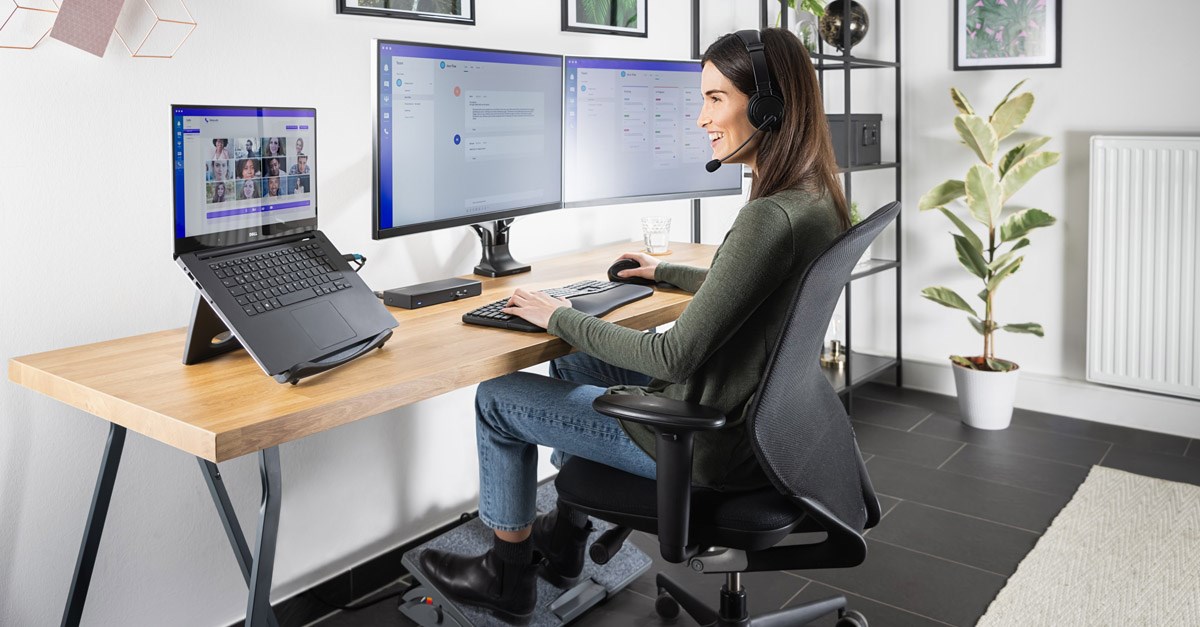
- An adjustable chair with lumbar support
- A desk at proper elbow height
- A monitor positioned at eye level
These choices protect posture and reduce fatigue, especially for long workdays.
Blending Function With Design
Modern home office decor ideas focus on furniture that looks residential, not corporate. Think wood finishes, soft textures, and slim profiles that blend with home interiors while still supporting work needs.
Lighting Strategies That Actually Work
Lighting is often underestimated, yet it directly affects energy levels.
Layered Lighting Approach
A well-lit home office uses three layers:
- Ambient lighting for overall brightness
- Task lighting focused on the desk
- Accent lighting for warmth and depth
Relying on a single overhead light creates harsh shadows and eye strain.
Natural vs Artificial Light
Natural light is ideal, but it’s not always consistent. Adjustable desk lamps with warm-to-neutral color temperatures (4000K–5000K) provide reliable illumination without fatigue.

Storage and Organization Without Visual Clutter
Clutter isn’t just messy—it’s mentally exhausting.
Smart Storage Solutions
Consider:
- Closed cabinets for paperwork
- Floating shelves for frequently used items
- Drawer organizers to reduce desk chaos
The goal isn’t minimalism for its own sake, but visual calm.
Digital Organization Matters Too
Cable management, wireless accessories, and hidden power strips keep the physical space clean and distraction-free.

Personal Touches That Inspire Without Distracting
Personalization turns a workspace into your space.
Meaningful, Not Excessive
Good personal decor includes:
- One or two framed photos
- A plant for visual softness and air quality
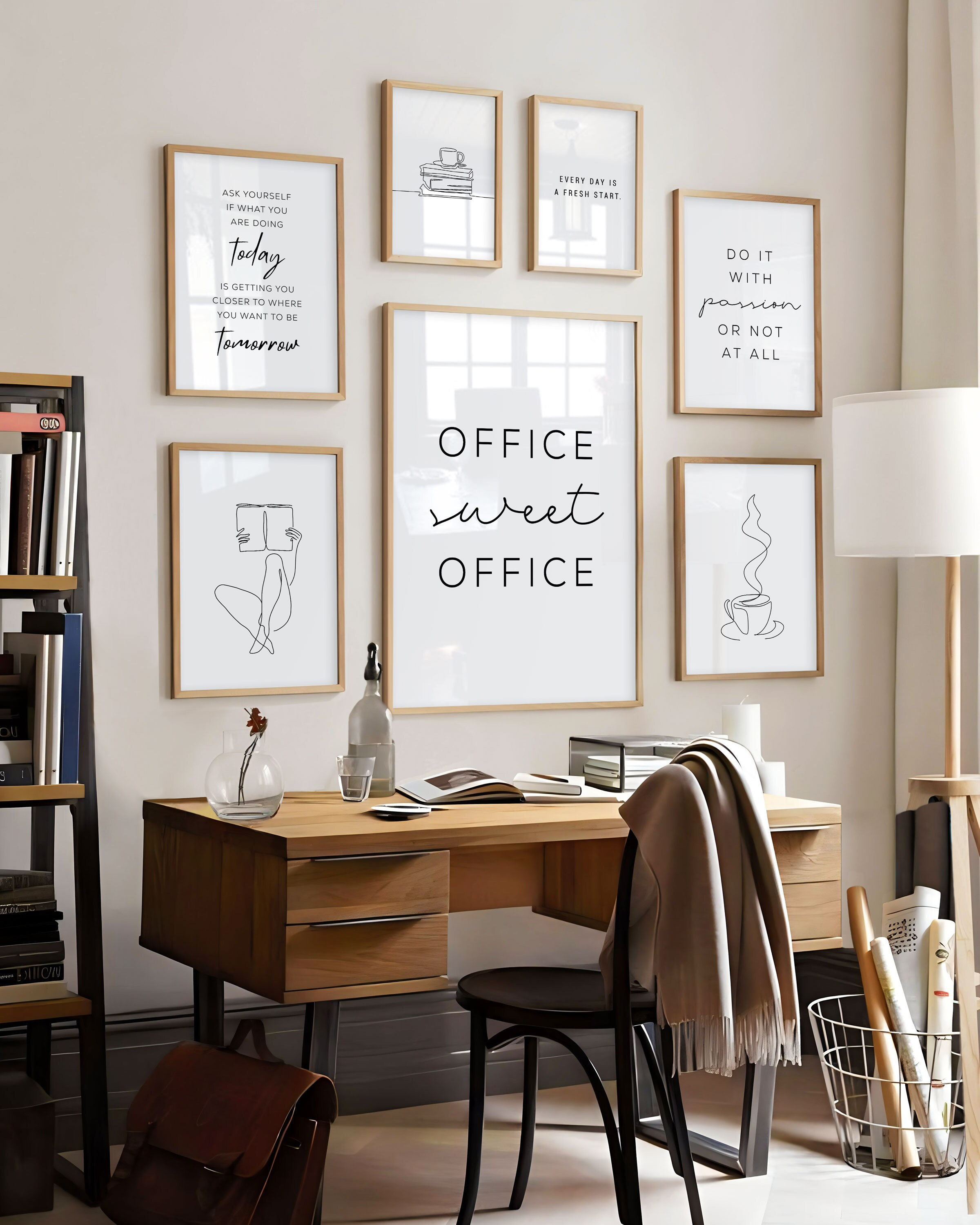
- Artwork that reflects values or goals
Too many personal items dilute focus and visual clarity.
Plants and Biophilic Design
Even a small plant can reduce stress and improve mood. Low-maintenance options like snake plants or pothos work well in home offices.
Budget-Friendly Home Office Decor Ideas
A productive workspace doesn’t require a big budget.
High-Impact, Low-Cost Upgrades
- Rearranging furniture you already own
- Adding a desk lamp instead of new lighting
- Using peel-and-stick wallpaper for an accent wall
These small changes can dramatically shift how the space feels.
Second-Hand and DIY Options
Thrifted furniture, refurbished desks, and DIY shelving offer character without the premium price tag. In reality, unique pieces often make a space feel more intentional than mass-produced items.
Common Home Office Decor Mistakes to Avoid
Even well-intentioned setups can backfire.
Overdecorating
Too many decorative items compete for attention and reduce mental clarity.
Ignoring Ergonomics
Style should never override comfort. Long-term discomfort always costs more than proper furniture.
Poor Lighting Choices
Dim rooms and harsh overhead lights both strain eyes and reduce focus.

FAQs
How do I decorate a small home office space?
Focus on vertical storage, light colors, and multifunctional furniture. Small spaces benefit most from intentional layout and visual simplicity.
What are the best home office decor ideas for productivity?
Prioritize natural light, ergonomic furniture, organized storage, and calming color palettes to support sustained focus.
How can I make my home office look professional?
Use neutral tones, consistent materials, minimal decor, and concealed storage to create a clean, polished appearance.
Are plants good for home offices?
Yes. Plants improve mood, reduce stress, and add visual warmth without overwhelming the space.
What lighting is best for working from home?
A combination of natural light, adjustable task lighting, and soft ambient lighting works best for long work hours.
How often should I refresh my home office decor?
Small updates every 6–12 months help keep the space feeling fresh and motivating without major redesigns.
Can decor really affect productivity?
Absolutely. Environmental design directly influences focus, stress levels, and overall work satisfaction.
Should my home office match the rest of my home decor?
It helps. A cohesive style makes the office feel like a natural part of your home rather than a temporary setup.
Conclusion
Designing a home office isn’t about chasing trends—it’s about creating a space that quietly supports your best work. Thoughtful home office decor ideas blend psychology, function, and personal style into an environment that feels both motivating and comfortable. When your workspace works with you instead of against you, productivity stops feeling forced and starts feeling natural.







![lwmfcrafts 7 Creative Ideas & Practical Guide [2026]](https://robertmygardenandpatio.net/wp-content/uploads/2026/01/lwmfcrafts-7-Creative-Ideas-Practical-Guide-2026-300x169.jpg)