Introduction
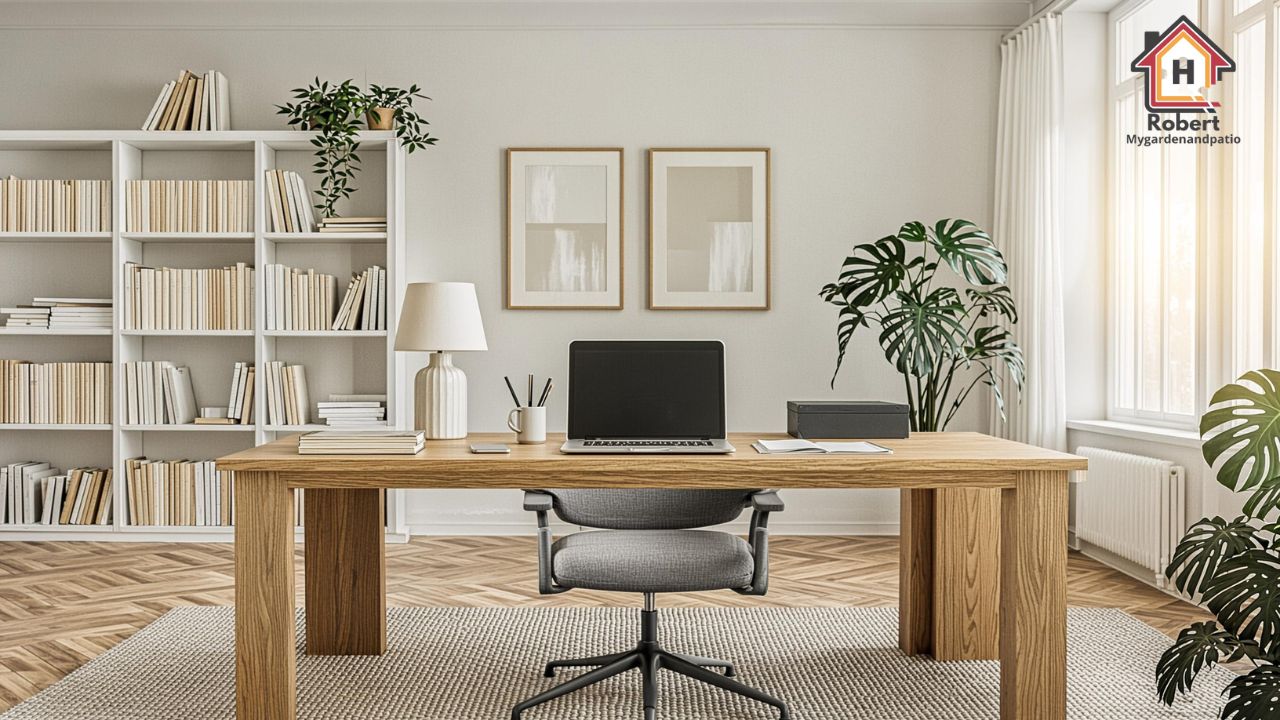
Working from home sounds ideal—until your “office” becomes a cluttered corner that drains motivation. The right home office decor ideas can completely change how you feel, think, and perform during the workday.
In reality, your workspace does more than hold a laptop. It influences focus, mood, posture, and even how long you can stay productive without burnout. A poorly designed office increases distractions, while a thoughtfully decorated one quietly supports deep work.
That’s why this guide goes beyond surface-level inspiration. You’ll find practical design strategies, real-life examples, and psychology-backed insights to help you create a workspace that looks great and works hard for you.
Understanding Home Office Decor and Why It Matters
Home office decor isn’t just about aesthetics. It’s the intentional design of your workspace to support productivity, health, and emotional well-being.
Research shows that well-designed work environments can improve productivity by up to 20%. That’s not because of expensive furniture—but because of better light, color, layout, and organization. When you apply smart home office decor ideas, you remove friction from your daily routine.
Think of decor as a silent assistant. It doesn’t interrupt, but it constantly nudges you toward better posture, clearer thinking, and sustained focus.
Planning Your Home Office Layout
Assessing Your Available Space
Before buying decor, look at what you’re working with:
- Room size and shape
- Natural light sources
- Noise levels
- Power outlet locations
A common mistake is decorating first and planning later. Instead, define zones—work, storage, and movement—so your office flows naturally.
Zoning for Productivity
Effective layouts usually include:
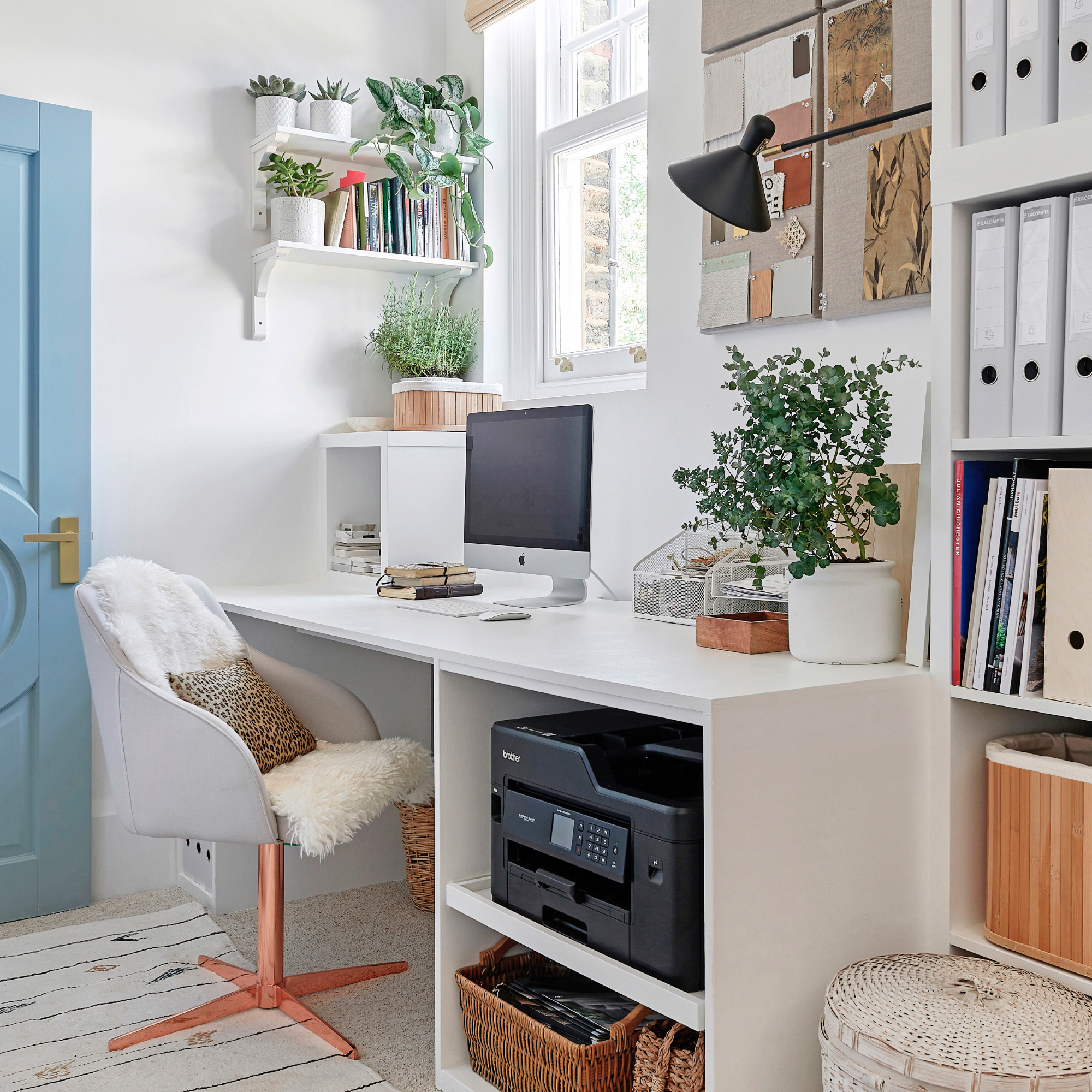
- Primary work zone: desk, chair, monitor
- Secondary zone: shelves or filing storage
- Mental break zone: plant, artwork, or window view
Even in small rooms, zoning helps your brain switch into “work mode” faster.
Color Psychology for Home Workspaces
How Colors Affect Focus and Mood
Color plays a subtle but powerful role in performance:
- Blue: improves concentration and calm
- Green: reduces eye strain and stress
- White: clean but can feel cold if overused
- Warm neutrals: comfort without distraction
Using these tones strategically is one of the most overlooked home office decor ideas.
Choosing a Balanced Color Palette
Instead of repainting everything, try:
- Neutral walls + colored accessories
- One accent wall behind the desk
- Matching decor tones for visual cohesion
This approach keeps the space energizing without becoming overwhelming.

Furniture That Balances Style and Ergonomics
The Desk: Your Productivity Anchor
Your desk should fit both your room and your work style. Minimalists prefer clean-lined desks, while creatives may need wider surfaces.
Key considerations:
- Desk height (ideal: 28–30 inches)
- Cable management options
- Surface material (wood feels warmer than glass)
Choosing the Right Chair
A stylish chair means nothing if it causes back pain. Look for:
- Lumbar support
- Adjustable seat height
- Breathable materials
Good ergonomics silently protect your health—day after day.
Lighting Ideas That Reduce Eye Strain
Natural Light Is Non-Negotiable
Position your desk perpendicular to windows when possible. Natural light improves mood, regulates sleep cycles, and reduces fatigue.
Layered Lighting for Long Workdays
The best lighting setups include:
- Ambient lighting: overhead or ceiling fixtures
- Task lighting: adjustable desk lamp
- Accent lighting: soft LED strips or floor lamps
Lighting isn’t decoration—it’s functional comfort.
Storage and Organization Without Visual Clutter
Hidden Storage Solutions
Clutter drains mental energy. Smart storage keeps things accessible but invisible:
- Drawer organizers
- Closed cabinets
- Desk trays
Minimal surfaces = clearer thinking.
Open Shelving—Used Carefully
Open shelves work best when:
- Items are color-coordinated
- Decorative objects outnumber supplies
- Shelves are not overfilled
This balance keeps your office looking intentional, not chaotic.
Wall Decor That Inspires Without Distracting
Art That Supports Focus
Choose artwork that evokes calm or motivation:
- Abstract shapes
- Nature photography
- Minimal typography quotes
Avoid overly busy patterns—they fragment attention.
Functional Wall Decor
Combine beauty with purpose:
- Pinboards for planning
- Floating shelves
- Wall-mounted calendars
These home office decor ideas add style while earning their space.
Decorating Small Home Offices Smartly
Visual Expansion Techniques
Small spaces benefit from:
- Light color palettes
- Mirrors to reflect light
- Vertical storage
These tricks make cramped offices feel breathable.
Multi-Functional Furniture
Examples include:
- Fold-down desks
- Storage ottomans
- Wall-mounted workstations
Efficiency matters more than size.
Budget-Friendly Home Office Decor Ideas
Not every great office needs a big budget.
Affordable upgrades:
- Rearranging furniture for better light
- Adding plants for instant warmth
- DIY artwork or framed prints
Creativity often outperforms spending.
Personalization and Emotional Comfort
Your office should feel like yours. Personal touches build emotional safety, which improves focus.
Ideas include:
- Family photos
- Travel souvenirs
- Meaningful books
Just keep personalization intentional—not cluttered.
Sustainable and Eco-Friendly Office Decor
Eco-conscious decor is both ethical and stylish:
- Reclaimed wood desks
- Bamboo organizers
- Energy-efficient lighting
Sustainability adds depth and purpose to design choices.

Common Home Office Decor Mistakes to Avoid
Even well-intentioned setups can backfire.
Avoid:
- Poor lighting
- Ignoring ergonomics
- Overdecorating
- Working from couches or beds
Fixing these instantly improves productivity and health.
FAQs
Frequently Asked Questions
How do I choose the best home office decor ideas for productivity?
Focus on lighting, ergonomics, and clutter control first. Visual style comes after function.
What colors are best for a home office?
Soft blues, greens, and warm neutrals improve focus and reduce stress.
Can small home offices still look stylish?
Absolutely. Vertical storage, light colors, and compact furniture make a big difference.
How important is lighting in a home office?
Critical. Poor lighting causes eye strain, fatigue, and headaches over time.
What’s the biggest mistake people make with home office decor?
Prioritizing looks over comfort—especially chairs and desk height.
How can I decorate a home office on a tight budget?
Rearrange furniture, add plants, use DIY art, and optimize lighting before buying anything new.
Should I personalize my home office?
Yes, but intentionally. A few meaningful items boost comfort without distraction.
Conclusion
Great work doesn’t happen by accident—it’s supported by the environment you create every day. Thoughtful home office decor ideas help you work longer, think clearer, and feel better while doing it.
By blending comfort, function, and personal style, your home office becomes more than a workspace. It becomes a place where productivity feels natural, not forced—and where your best work can actually happen.







![lwmfcrafts 7 Creative Ideas & Practical Guide [2026]](https://robertmygardenandpatio.net/wp-content/uploads/2026/01/lwmfcrafts-7-Creative-Ideas-Practical-Guide-2026-300x169.jpg)