
Introduction
There’s a quiet confidence to spaces that don’t shout for attention. Homes that feel calm, intentional, and deeply comfortable often have one thing in common: minimalist home decor. It’s not about empty rooms or cold aesthetics—it’s about clarity, balance, and living with what truly matters.
In a world overflowing with visual noise, minimalist home decor offers a reset. It allows your home to breathe, your mind to slow down, and your lifestyle to feel more purposeful. However, true minimalism isn’t achieved by simply removing furniture—it’s shaped by thoughtful choices, smart layouts, and emotional awareness.
That’s what this guide is about. Not trends. Not rigid rules. But realistic, human-centered minimalist home decor ideas you can actually live with—whether you’re in a small apartment or a spacious family home.

What Minimalist Home Decor Really Means
Minimalist home decor is often misunderstood as “less furniture” or “white everything.” In reality, it’s a design philosophy focused on intentional living. Every object serves a purpose—functional, emotional, or both.
At its core, minimalist home decor emphasizes:
- Purpose over excess
- Quality over quantity
- Calm over chaos
Instead of asking, “What should I add?” minimalism asks, “What can I remove without losing meaning?”
This mindset transforms how spaces feel. Rooms become lighter, movement becomes easier, and daily routines feel less overwhelming.
The Psychology Behind Minimalist Living
Studies in environmental psychology consistently show that clutter increases stress levels. Visual overload competes for attention, subtly draining mental energy throughout the day. Minimalist spaces, on the other hand, promote focus, relaxation, and emotional clarity.
That’s why minimalist home decor often feels “peaceful” even before you consciously register why. Clean lines, open layouts, and controlled color palettes reduce cognitive noise.
In reality, minimalism isn’t about deprivation—it’s about emotional comfort. When your environment stops demanding attention, your mind finally gets space to rest.
Core Principles of Minimalist Home Decor
Function Comes First
Every piece in a minimalist home decor setup earns its place. Furniture isn’t decorative filler—it solves a problem or enhances daily living.
Ask yourself:
- Do I use this regularly?
- Does it improve comfort or usability?
- Does it visually support the space?
If the answer is no, it probably doesn’t belong.
Visual Simplicity
Minimalist spaces rely on clean silhouettes and uncluttered surfaces. That doesn’t mean sterile—just visually intentional.
Key elements include:
- Straight or softly curved lines
- Clear walkways
- Negative space (empty areas that create balance)
Emotional Neutrality
Minimalist home decor avoids extremes. It doesn’t overstimulate or emotionally exhaust. Instead, it creates a stable backdrop that adapts to your life.
That said, personal touches still matter—just fewer, better-chosen ones.

Minimalist Home Decor by Room
Living Room Minimalism
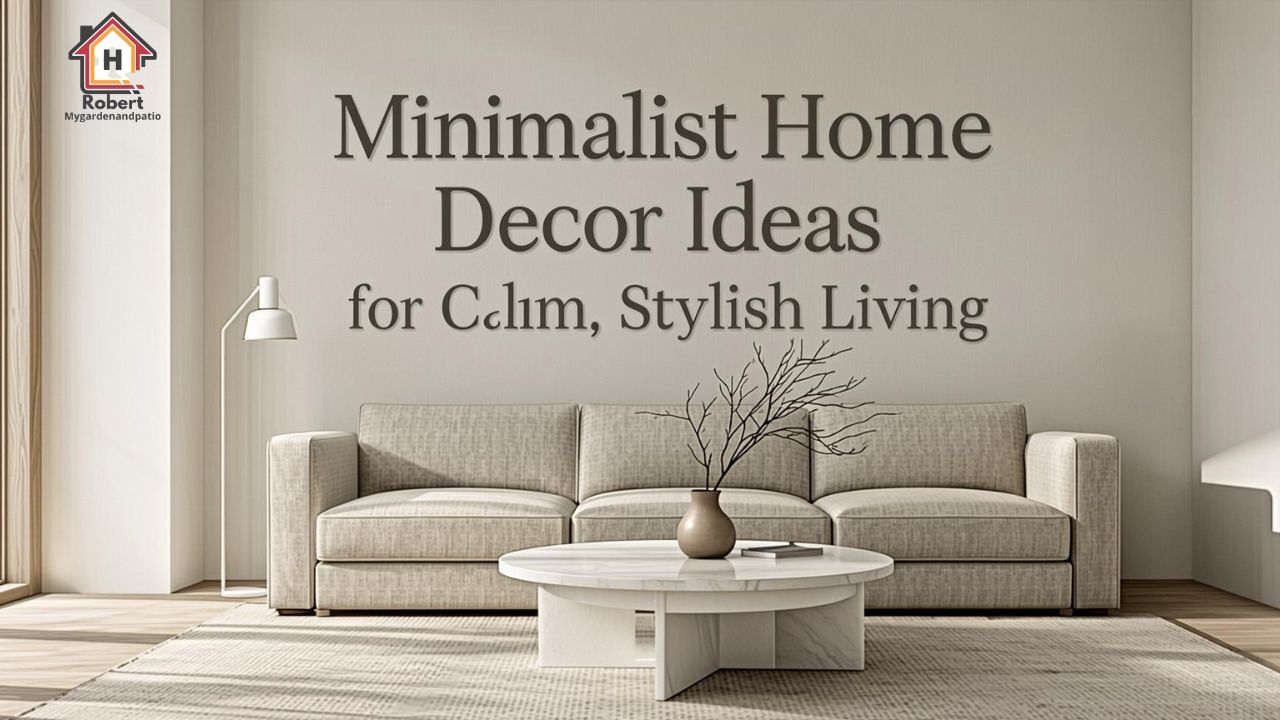
The living room sets the tone for the entire home. Minimalist home decor here focuses on openness and comfort without excess.
What works best:
- One primary seating piece (sofa or sectional)
- One focal point (artwork, window, or media unit)
- Neutral rug with subtle texture
Avoid over-accessorizing shelves. One meaningful object speaks louder than five decorative items.
Bedroom Minimalist Home Decor
Minimalism shines brightest in bedrooms. This is where mental calm matters most.
Key ideas:
- Platform beds with clean frames
- Limited bedside items (lamp + one personal object)
- Soft textiles in neutral shades
In minimalist home decor bedrooms, storage should disappear visually—under-bed drawers or built-in closets are ideal.
Kitchen Minimalism
A minimalist kitchen prioritizes function and flow.
- Clear countertops
- Integrated appliances
- Open shelving used sparingly
However, minimalism doesn’t mean impractical. Everyday tools should be accessible—just organized intentionally.
Bathroom Minimalism
Bathrooms benefit immensely from minimalist home decor. Fewer items mean easier cleaning and a spa-like feel.
- Wall-mounted vanities
- Neutral stone or matte finishes
- Concealed storage for toiletries
Less visual noise equals more relaxation.
Color Palettes That Define Minimalism
Color plays a crucial role in minimalist home decor. The goal isn’t boredom—it’s harmony.
Popular Minimalist Color Choices
- Warm whites
- Soft greys
- Beige and sand tones
- Muted earth colors
Monochromatic palettes work well, especially when layered with texture rather than contrast.
However, minimalism doesn’t ban color. A single muted accent—like olive green or clay—adds depth without chaos.
Furniture Choices for a Minimalist Home
Furniture in minimalist home decor is deliberate, not decorative.
What to Look For
- Clean lines
- Visible craftsmanship
- Neutral upholstery
- Multi-functional designs
A solid wood table with timeless proportions outlasts trendy statement pieces every time.
Quality Over Quantity
Minimalism encourages investing in fewer, better items. One comfortable chair beats three mediocre ones—both visually and emotionally.

Storage Solutions Without Visual Clutter
Storage is the backbone of minimalist home decor. Without it, clutter quickly returns.
Smart minimalist storage includes:
- Built-in cabinets
- Closed storage over open shelving
- Furniture with hidden compartments
The goal is simple: objects exist, but they don’t dominate the visual field.
Lighting in Minimalist Home Decor
Lighting defines mood more than furniture ever could.
Layered Lighting Approach
- Ambient lighting (overall glow)
- Task lighting (functional areas)
- Accent lighting (subtle highlights)
Minimalist homes often rely on natural light first. Window treatments should be light and unobtrusive.
Artificial lighting should feel soft—not harsh or dramatic.
Textures, Materials, and Warmth
One common criticism of minimalist home decor is that it feels “cold.” This usually happens when texture is ignored.
Materials That Add Warmth
- Linen
- Wool
- Natural wood
- Stone
By layering textures, minimalist spaces feel lived-in, not lifeless.
In reality, texture replaces decoration in minimalism.
Common Mistakes to Avoid
Even well-intentioned minimalism can go wrong.
Frequent mistakes include:
- Removing personality entirely
- Choosing uncomfortable furniture
- Overusing stark white
- Following trends instead of lifestyle needs
Minimalist home decor should support how you live—not force you into aesthetic discomfort.
FAQs About Minimalist Home Decor
Is minimalist home decor suitable for families?
Yes. Minimalism actually helps families by reducing mess, simplifying routines, and creating flexible spaces.
Does minimalist home decor mean no decoration?
Not at all. It means fewer, more meaningful decorative elements rather than constant visual clutter.
Can minimalist home decor work in small spaces?
Absolutely. In fact, minimalist home decor is ideal for small homes because it maximizes openness and function.
Is minimalist home decor expensive?
It can be budget-friendly. Buying fewer items and focusing on durability often saves money long-term.
How do I start transitioning to minimalist home decor?
Start by decluttering one room. Remove unused items, simplify surfaces, and build gradually.
Can I mix minimalist home decor with other styles?
Yes. Scandinavian, Japanese, and modern styles blend beautifully with minimalism when done thoughtfully.
Does minimalist home decor feel cold?
Only if texture and warmth are ignored. Soft materials and natural elements prevent sterility.
How many colors should minimalist home decor use?
Usually two to three core tones, with subtle variations for depth.
Conclusion
Minimalist home decor isn’t about perfection—it’s about intention. It invites you to slow down, choose carefully, and create a space that supports your life instead of competing with it.
When done thoughtfully, minimalist home decor becomes more than a design style. It becomes a way of living—one that values calm over chaos, clarity over clutter, and meaning over excess.
And perhaps most importantly, it reminds us that sometimes, less truly is more.







![lwmfcrafts 7 Creative Ideas & Practical Guide [2026]](https://robertmygardenandpatio.net/wp-content/uploads/2026/01/lwmfcrafts-7-Creative-Ideas-Practical-Guide-2026-300x169.jpg)