Introduction
Every homeowner reaches a moment where something just doesn’t feel right. Maybe the space feels cluttered, energy bills keep climbing, or small maintenance issues quietly pile up. That’s usually when people start searching for tips drhomey readers swear by—practical advice that actually works in real homes, not just glossy magazines.
Unlike generic home advice, tips drhomey focuses on realistic improvements you can apply without draining your savings or overwhelming your schedule. These tips are built around comfort, efficiency, and long-term value, not trends that fade within a year.
In reality, a well-maintained home isn’t about constant renovations. It’s about smart decisions, timely upgrades, and understanding what truly improves daily living. This guide breaks everything down in a way that feels clear, calm, and doable.

Smart Living Foundations with tips drhomey
What Smart Living Really Means Today
Smart living doesn’t require a fully automated house or expensive technology. At its core, it’s about designing a home that responds to your daily habits. tips drhomey emphasizes practical adjustments—like better lighting placement or smarter storage—that quietly improve your lifestyle.
Smart homes focus on:
- Reducing unnecessary effort
- Lowering monthly expenses
- Increasing comfort and usability
- Preventing long-term damage
Why Small Changes Matter More Than Big Renovations
However, many homeowners chase big renovations while ignoring foundational issues. Simple fixes like sealing air leaks or reorganizing workflow spaces often deliver higher satisfaction than full remodels.
Using tips drhomey, homeowners often discover that improvement starts with observation, not demolition.
Budget-Friendly Home Improvements That Make a Difference
High-Impact Upgrades Under a Tight Budget
You don’t need a massive budget to upgrade your home meaningfully. Some of the most effective tips drhomey promotes involve low-cost, high-impact changes.
Examples include:
- Replacing outdated light fixtures
- Updating cabinet handles
- Adding wall-mounted shelving
- Installing water-saving fixtures
Prioritizing Based on Daily Use
That said, not all rooms deserve equal attention. Kitchens, bathrooms, and entryways influence daily experience far more than spare rooms.
A smart approach:
- Identify daily friction points
- Fix function before appearance
- Improve lighting before décor
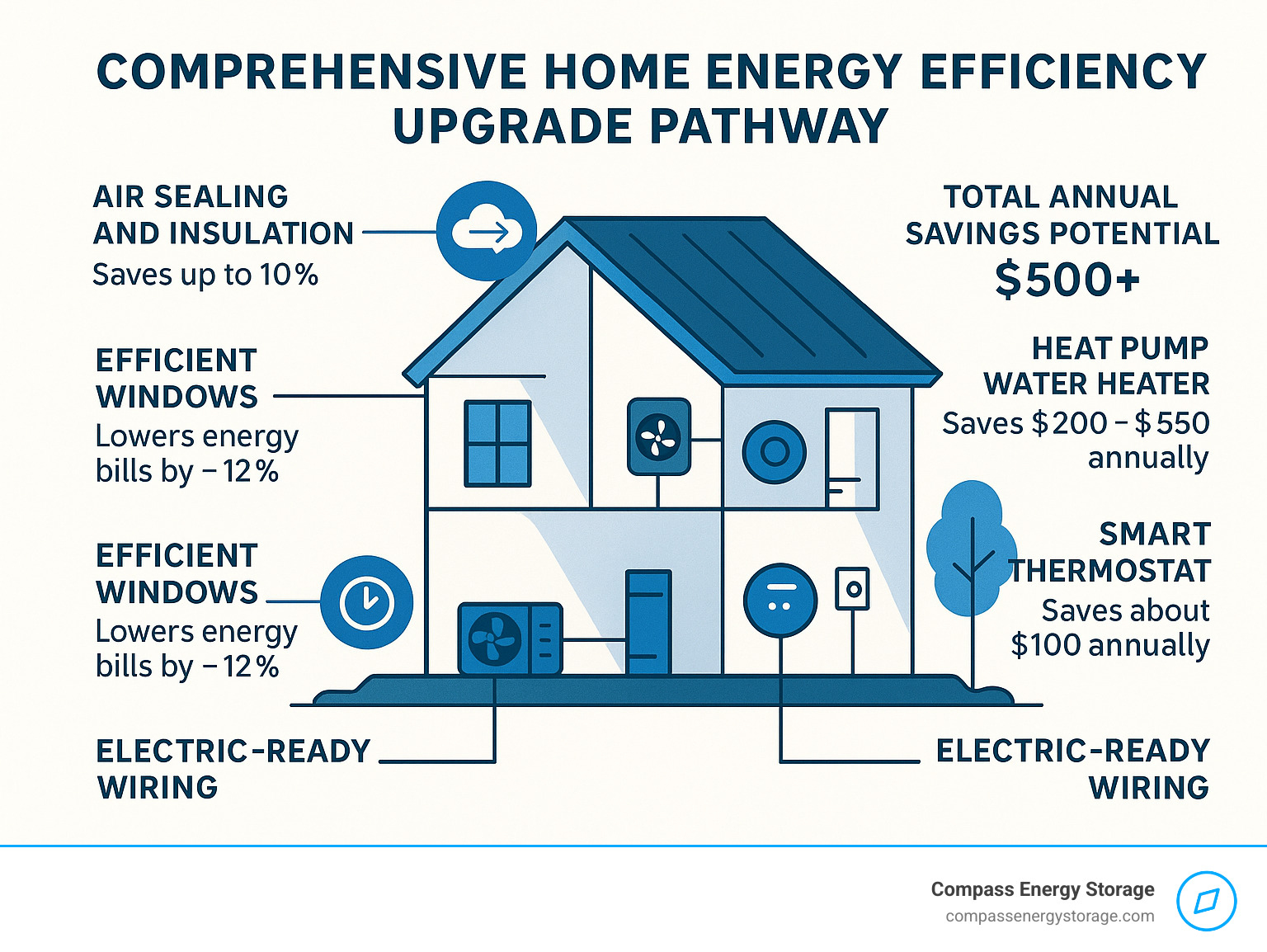
Energy Efficiency Strategies That Lower Bills
Understanding Energy Loss at Home
Energy loss happens silently—through old windows, inefficient appliances, and poor insulation. Over time, this drains money without adding comfort.
Tips drhomey consistently highlights energy awareness as one of the smartest homeowner skills.
Practical Energy-Saving Actions
Instead of expensive solar systems, start here:
- Seal doors and windows
- Switch to LED lighting
- Upgrade thermostat controls
- Service heating and cooling units annually
In reality, even a 10–15% efficiency improvement can significantly lower annual utility costs.

Interior Comfort and Functional Design
Designing for Real Life, Not Showrooms
Many homes look good but feel uncomfortable. That’s because they’re designed for appearance rather than daily use.
tips drhomey encourages homeowners to ask:
- Does this layout support my routine?
- Is storage accessible?
- Is lighting adaptable throughout the day?
Ergonomics Inside the Home
Good design reduces physical strain. Small adjustments like counter height, seating support, and walkway clearance dramatically improve comfort.
On the other hand, ignoring ergonomics leads to fatigue and frustration over time.
Exterior Care and Long-Term Home Protection
Why Exterior Maintenance Is Non-Negotiable
Exterior neglect is one of the most expensive homeowner mistakes. Water damage, foundation cracks, and roof wear rarely announce themselves early.
tips drhomey treats exterior care as preventive healthcare for your home.
Key areas to monitor:
- Roof condition
- Drainage flow
- Wall cracks
- Paint or coating integrity
Seasonal Exterior Checklist
A seasonal routine prevents costly repairs:
- Clean gutters twice yearly
- Inspect seals before winter
- Trim vegetation away from walls
- Check drainage after heavy rain
DIY vs Professional: Making the Right Call
When DIY Makes Sense
DIY works best for:
- Cosmetic updates
- Simple installations
- Maintenance tasks
- Organization projects
Using tips drhomey, homeowners often gain confidence by starting small and building skills gradually.
When to Hire a Professional
However, structural, electrical, and plumbing work should rarely be DIY. Mistakes here cost far more than professional fees.
If safety, compliance, or warranties are involved—call an expert.
Common Homeowner Mistakes to Avoid
Over-Upgrading for the Neighborhood
Spending far beyond local market standards rarely delivers return on investment. tips drhomey stresses balance over excess.
Ignoring Maintenance Until Failure
Waiting for systems to fail leads to emergency costs. Regular inspection is cheaper, calmer, and safer.
Chasing Trends Over Function
Trends fade. Function lasts. Always choose improvements that serve your lifestyle first.
Personal Background and Financial Perspective
The Philosophy Behind tips drhomey
The approach behind tips drhomey is grounded in real homeowner experience—balancing financial discipline with quality living. Rather than luxury-first thinking, it focuses on value, sustainability, and long-term planning.
Financial Insights for Homeowners
Smart homes aren’t the most expensive—they’re the most intentional. Budgeting for maintenance, efficiency upgrades, and gradual improvements leads to stronger asset value over time.
Many homeowners following tips drhomey report:
- Lower annual maintenance costs
- Improved resale confidence
- Reduced stress around repairs
Frequently Asked Questions
FAQs
What makes tips drhomey different from other home advice?
tips drhomey focuses on realistic, experience-based guidance rather than trends or luxury-driven upgrades.
Are tips drhomey suitable for renters?
Yes. Many tips apply to organization, efficiency, and non-permanent improvements.
How often should home maintenance be done?
Basic checks seasonally, major systems annually.
Do these tips increase home value?
When applied strategically, yes—especially energy and maintenance upgrades.
Is smart home technology required?
No. Smart living is more about habits than gadgets.
Are these tips beginner-friendly?
Absolutely. Most suggestions are designed for non-experts.
Can I apply tips drhomey on a small budget?
Yes. Many high-impact tips cost little or nothing.
Should I prioritize interior or exterior upgrades first?
Exterior protection always comes first.
Conclusion
A better home isn’t built overnight, and it doesn’t require endless spending. It’s shaped through awareness, consistency, and informed decisions. That’s exactly what tips drhomey represents—practical guidance that respects your time, money, and peace of mind.
By focusing on function, efficiency, and long-term thinking, homeowners can create spaces that feel calmer, safer, and more valuable year after year. In the end, the smartest homes aren’t the fanciest ones—they’re the ones that quietly work for the people living inside them.







![lwmfcrafts 7 Creative Ideas & Practical Guide [2026]](https://robertmygardenandpatio.net/wp-content/uploads/2026/01/lwmfcrafts-7-Creative-Ideas-Practical-Guide-2026-300x169.jpg)